The Importance of Dinner in a Balanced Eating Routine
LifeCare & Lifestyle
|
May 2, 2026
Discover the importance of thoughtful dinner planning for a balanced diet. Explore healthy meal ideas and tips to enhance your cooking routine!
Dinner plays a critical role in sustaining a balanced eating routine, acting as an anchor for daily nutritional intake. Recent studies suggest that nearly 75% of adults feel stressed about meal preparation during the week, which can lead to unhealthy eating habits. The demands of busy lives often create time constraints that compromise creativity in cooking; as a result, many individuals find themselves resorting to takeout, convenience foods, or skipping meals altogether. These choices, while seemingly convenient, can detrimentally affect one’s overall health and well-being.
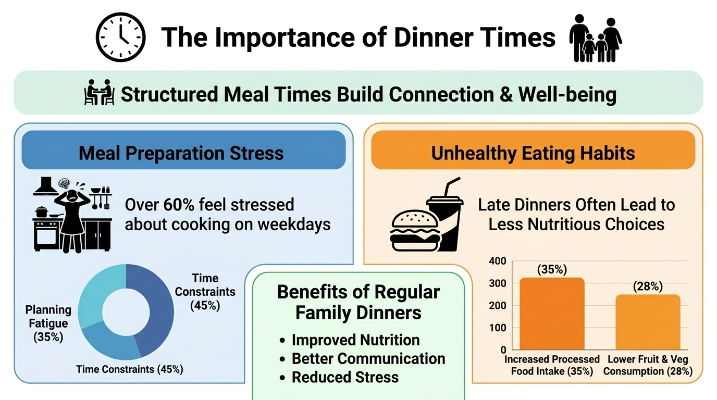
The advantages of planning healthy dinners extend beyond mere ease; they significantly contribute to achieving a balanced diet laden with essential nutrients. By organizing meals ahead of time, individuals can concoct well-rounded dishes that reflect a commitment to health while easing the cooking process. Planning eliminates the guesswork inherent in meal prep, encouraging a thoughtful approach to nutrition. Consequently, individuals can guarantee adequate intake of vital macronutrients and micronutrients. With deliberate planning, weeknight dinners can evolve from a stressful obligation into an opportunity for healthier eating and improved health outcomes, paving a path towards a more balanced lifestyle.
What Makes a Healthy Dinner?
A healthy dinner is defined by its balanced nutrition, combining essential food categories that promote overall well-being. This typically includes lean protein sources, a colorful variety of vegetables, healthy fats, and adequate fiber. Lean proteins such as chicken, fish, tofu, or beans serve as a fundamental element for muscle repair and sustained energy throughout the day. Complementary vegetables like spinach, bell peppers, and broccoli not only provide vital vitamins and minerals but also enrich the meal with fiber, which is essential for digestive health.
Incorporating healthy fats is equally crucial; options like avocados, nuts, and olive oil enhance heart health and aid in the absorption of fat-soluble vitamins. Portion awareness also plays a significant role in healthy eating; utilizing the “healthy plate” method—filling half the plate with vegetables, a quarter with lean protein, and the remaining quarter with whole grains—can simplify meal planning while ensuring balanced servings.
The inclusion of whole food ingredients—minimally processed and free from additives—further boosts the nutritional value of meals. Whole foods tend to be richer in nutrients compared to processed alternatives, which often lack essential vitamins and fiber. Refer to Table #1, featuring Healthy Dinner Building Blocks, to visualize these components and create satisfying, nutritious meals. By grasping the significance of these elements, you can develop dinners that nourish the body while also delighting the senses.
Benefits of Choosing Healthy Meals for Dinner
Choosing healthy meals for dinner is essential for maintaining a balanced diet and advancing overall well-being. Encompassed within the advantages are several key benefits:
- Nutritional Balance: Regularly consuming meals rich in fruits, vegetables, lean proteins, and whole grains ensures an adequate supply of essential vitamins and minerals; studies show that individuals maintaining a balanced meal routine enjoy a 30% lower risk of chronic diseases, according to data published in the Journal of Nutrition.
- Reduced Reliance on Takeout: Planning family-friendly meals can markedly lower dependence on takeout, which is often laden with excess sodium, fats, and calories. For example, preparing a nutritious stir-fry with chicken and assorted vegetables can be accomplished in under 30 minutes, providing a wholesome alternative for the entire family.
- Enhanced Meal Variety: Regularly cooking at home encourages culinary exploration and creativity. Experimenting with diverse cuisines keeps dinners engaging—try Mediterranean bowls one night and homemade tacos the next.
- Positive Lifestyle Impact: Healthy dinners foster a culture of healthier choices throughout the day. Families that commonly enjoy balanced meals together are more likely to adopt sound eating habits, particularly benefiting children.
Adopting healthy dinners into your routine not only supports improved eating practices but also enriches your family's overall quality of life as everyone becomes more invested in nutritious living.
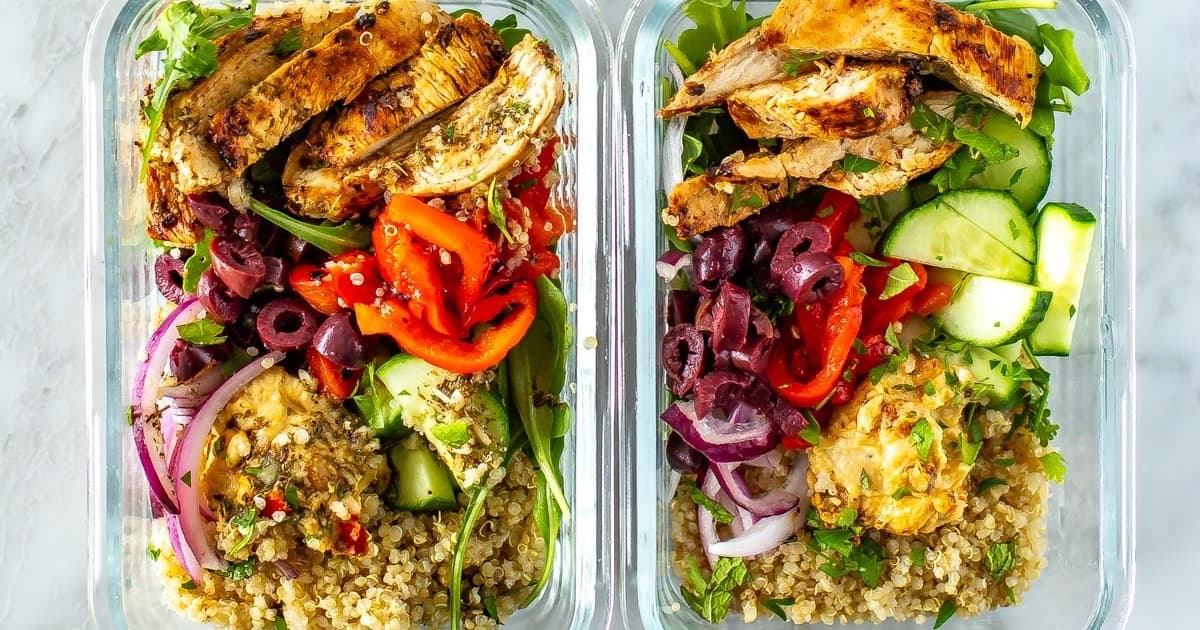
Integrating healthy meals into your dinner lineup can boost energy, enhance mood, and bolster overall health. Below is a list of twelve delicious and nutritious dinner options that are straightforward to prepare, filled with essential ingredients, and packed with health benefits.
Recipe Breakdown
- Grilled Chicken with Roasted Vegetables
- Main Ingredients: Chicken, zucchini, bell peppers, olive oil
- Preparation Time: 30 minutes
- Health Benefits: This dish is high in protein and boasts various vitamins from the colorful vegetables, providing a filling option that supports weight management.
- Mediterranean Salmon and Quinoa Bowl
- Main Ingredients: Salmon, quinoa, spinach, feta
- Preparation Time: 25 minutes
- Health Benefits: Bursting with omega-3 fatty acids and protein, this meal not only aids in heart health but also offers a delectable flavor fusion.
- Turkey and Sweet Potato Skillet
- Main Ingredients: Ground turkey, sweet potatoes, green beans
- Preparation Time: 35 minutes
- Health Benefits: Rich in fiber and antioxidants, this hearty dish supports digestive health while offering muscle-repairing protein.
- Shrimp Stir-Fry with Brown Rice
- Main Ingredients: Shrimp, mixed vegetables, soy sauce
- Preparation Time: 20 minutes
- Health Benefits: As a low-calorie option rich in protein, this dish is quick to prepare and balances nutrition with flavor.
- Lentil and Vegetable Soup
- Main Ingredients: Lentils, carrots, celery
- Preparation Time: 40 minutes
- Health Benefits: This comfort soup, high in plant-based protein and iron, is excellent for maintaining fullness and promoting digestive health.
- Chicken and Broccoli Sheet Pan Dinner
- Main Ingredients: Chicken, broccoli, garlic
- Preparation Time: 30 minutes
- Health Benefits: This simple one-pan meal provides lean protein while supporting bone health with abundant vitamins and minerals found in broccoli.
- Tofu and Vegetable Stir-Fry
- Main Ingredients: Tofu, bell peppers, snap peas
- Preparation Time: 25 minutes
- Health Benefits: Full of plant-based protein, this meal provides a rich source of fiber and satisfies various dietary needs.
- Greek-Inspired Chickpea Salad Bowl
- Main Ingredients: Chickpeas, cucumber, red onion, olives
- Preparation Time: 15 minutes
- Health Benefits: This nutrient-dense salad supports digestive health and offers a refreshing blend of flavors.
- Lean Beef and Vegetable Skillet
- Main Ingredients: Lean beef, mushrooms, asparagus
- Preparation Time: 30 minutes
- Health Benefits: A good source of protein and iron, this lean beef dish also provides essential nutrients that benefit energy levels.
- Stuffed Bell Peppers
- Main Ingredients: Bell peppers, ground beef, rice
- Preparation Time: 45 minutes
- Health Benefits: With high fiber content and packed with vitamins A and C, these peppers provide a hearty meal that’s rich in flavor and nutrients.
- Baked Cod with Green Beans
- Main Ingredients: Cod, green beans, lemon
- Preparation Time: 30 minutes
- Health Benefits: This low-calorie meal, high in omega-3 fatty acids, is a delicious choice for those watching their calorie intake without sacrificing nutrition.
- One-Pan Mediterranean Chicken
- Main Ingredients: Chicken, cherry tomatoes, zucchini
- Preparation Time: 35 minutes
- Health Benefits: Rich in calcium and heart-healthy nutrients, this dish combines flavors beautifully while remaining easy to prepare.
These twelve healthy dinner options exemplify a variety of flavors, health benefits, and cooking techniques to make weeknight meals enjoyable and nutritious.
Easy Meal Planning Tips for Healthy Dinners
Meal planning can remarkably change weeknight dinners from chaotic to manageable while fostering healthier eating habits. Here are some practical tips aimed at streamlining your grocery shopping and cooking processes:
- Grocery Planning: Begin the week by designing a meal plan accompanied by a shopping list based on your chosen recipes. This ensures you collect necessary ingredients while avoiding impulse purchases that typically derail healthy eating initiatives.
- Batch Cooking: Allocate one day each week to prepare meals in bulk. Focus on making larger quantities of fundamental ingredients like grains, proteins, and roasted vegetables; preparing items like quinoa or roasted veggies simplifies future meal assembly.
- Utilizing Leftovers: Channel your creativity through leftovers! Transform last night’s roasted chicken into a salad, enhance yesterday’s stir-fry with additional veggies, or blend them into a hearty soup. This not only saves time but ensures minimal food waste.
- Healthy Staples: Keep your pantry stocked with staples such as canned beans, whole grains, frozen vegetables, and spices. These essentials elevate simple dishes into flavorful and nutritious meals with hardly any extra effort.
- Simplify Cooking: Consider investing in a slow cooker or additional cooking appliances to prepare meals while multitasking, facilitating healthy dinners that demand very little active cooking time.
By applying these strategies, you will prepare yourself for successful maintenance of a balanced diet while lightening weeknight cooking tasks effectively.
Keeping Healthy Dinners Interesting Long-Term
Keeping healthy dinners fresh and interesting is crucial to maintaining a balanced diet without succumbing to a repetitive menu. One easy strategy to create variety is by ensuring a rotation of proteins. Rather than relying solely on chicken or fish each week, branch out to lean cuts of beef, plant-based proteins like lentils, or diverse types of seafood.
Seasonal vegetables offer another avenue to explore differing flavors throughout the year. Farmers' markets can serve as inspiration, revealing vibrant, appealing options that can take center stage in your dish. Whether it’s flourishing summer zucchini or hearty autumn squash, both can easily become a highlight in numerous recipes.
Moreover, experimenting with herbs and spices can elevate any meal dramatically. Fresh herbs such as basil, smoky spices like paprika, or zesty options like coriander can transform any standard recipe into something extraordinary. Dedicating one night a week to delving into global cuisines affords opportunities to explore Thai one week, followed by Moroccan or Italian another, expanding your cooking repertoire without increasing stress.
Was this helpful? Share your thoughts