How Much Sleep Do You Really Need?
Health
|
June 18, 2026
Discover how much sleep you truly need and actionable tips to enhance your sleep quality. Prioritize rest for better health and productivity!
Have you ever found yourself tossing and turning at night, pondering how much sleep you truly need? Generally, adults are advised to seek seven to nine hours of quality sleep each night, but individual requirements can differ significantly. Grasping this concept is vital, as our quantity and quality of sleep affect everything from mood and cognitive function to our overall health and longevity. Understanding your unique sleep needs transcends mere avoidance of grogginess; it's an essential step towards optimizing well-being, enabling you to perform at your peak every day. Let us explore the intricacies of sleep requirements and uncover helpful tips to achieve the restorative slumber your body craves!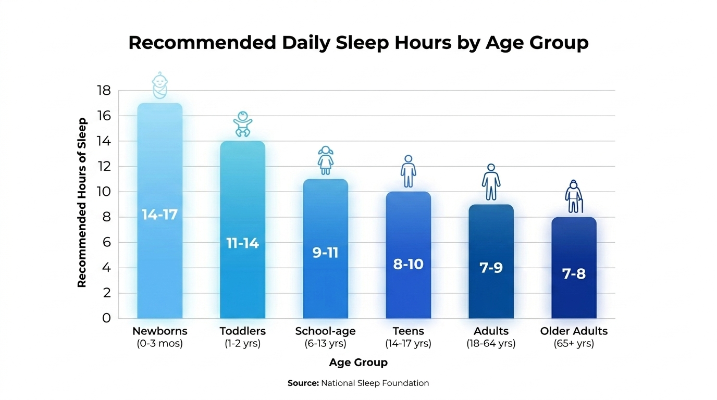
The Daily Struggle with Sleep
Sleep often takes a backseat to the myriad demands of daily life. Take students, for example. Balancing classes, assignments, and social engagements often leads to them sacrificing sleep for late-night studying or binge-watching favorite shows, which leaves them feeling groggy and unproductive the next day.
Professionals don’t fare much better. The strains of looming deadlines and continuous email notifications keep many awake at night, filled with anxiety over the tasks that lie ahead. Early mornings coupled with quick caffeinated beverages emerge as the norm, perpetuating a cycle of sleep deprivation.
Parents, too, find themselves in a relentless whirlwind of responsibilities. From late-night feedings to early school drop-offs, sleep becomes an indulgence often replaced by diaper changes or midnight homework sessions.
Such scenarios underscore how hectic schedules, stress, and lifestyle choices infiltrate sleep quality and quantity. Whether you’re a student preparing for finals, a professional racing against tight schedules, or a parent balancing family demands, the struggle for sufficient sleep resonates universally, emphasizing our collective necessity for restorative rest.
The Role of Sleep in Health
Sleep encompasses more than just a break from life’s daily challenges; it represents a fundamental pillar of our overall health. Adequate sleep is instrumental in ensuring both physical and mental well-being. During sleep, our bodies engage in crucial repair processes—healing muscles, replenishing energy, and bolstering immune function. Insufficient sleep can compromise these vital mechanisms, leading to increased vulnerability to illness and diminished physical performance.
From a psychological perspective, sleep dramatically influences mood stability and cognitive function. Getting enough rest keeps our emotions balanced, enables a more positive outlook, and reduces the tendency to feel stressed. Moreover, adequate sleep enhances concentration, clarity of thought, and decision-making abilities, all of which directly impact productivity. Numerous studies reveal that well-rested individuals exhibit greater focus and efficiency, leading to successful outcomes in professional and academic environments alike.
Ultimately, prioritizing sleep can usher in healthier lifestyles, improved mood, heightened productivity, and increased longevity. By acknowledging the significance of sleep, we can implement actionable changes to enhance nightly rest and, consequently, our quality of life. Quality sleep and regular exercise both support mental wellbeing, but when you can't fit in both, our guide to extra sleep or an early workout offers a practical way to decide.
Actionable Sleep Strategies
Improving sleep quality can profoundly elevate your overall well-being. Here are several practical strategies for cultivating better sleep habits:
- Establish a Sleep Routine: Consistency is paramount. Strive to retire and awaken at the same hour daily, even on weekends. This practice helps regulate your body’s internal clock, facilitating easier transitions into sleep and maintaining sleep stability.
- Create an Optimal Sleep Environment: Transform your bedroom into a sanctuary for rest. Maintain a cool, dark, and quiet atmosphere. Investing in blackout curtains to block outside light and using earplugs or a white noise machine can effectively minimize disruptive auditory stimuli.
- Incorporate Mindfulness and Relaxation Techniques: Before bedtime, integrate relaxation exercises into your routine. Consider deep breathing, gentle yoga, or meditation to calm your mind, signaling to your body that it’s time to unwind and sleep.
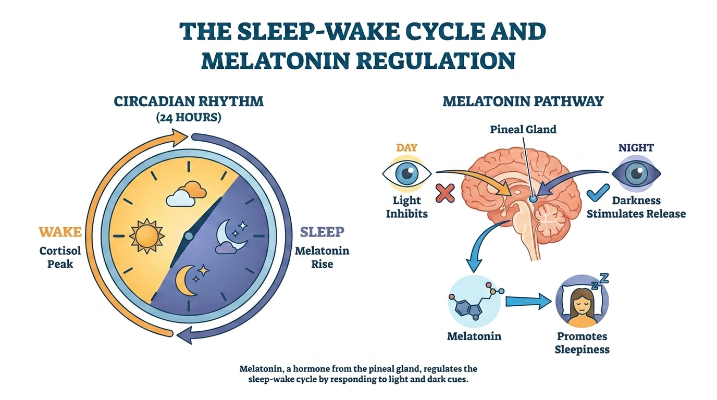
- Limit Screen Usage Before Sleep: The blue light radiating from phones, tablets, and computers can hinder your body's natural production of melatonin—the sleep hormone. Aim to switch off all electronic devices at least one hour prior to bedtime, allowing your body to prepare for restful slumber instead of succumbing to electronic distractions.
- Control Caffeine Consumption: Be mindful of your caffeine intake throughout the day, especially in the afternoons and evenings. Opt for herbal teas or decaffeinated beverages as the day winds down to prevent disruption in your sleep cycles.
By adopting these straightforward recommendations, you can create a more conducive sleeping environment and significantly improve your rest quality. Sweet dreams are within reach!
Debunking Sleep Myths
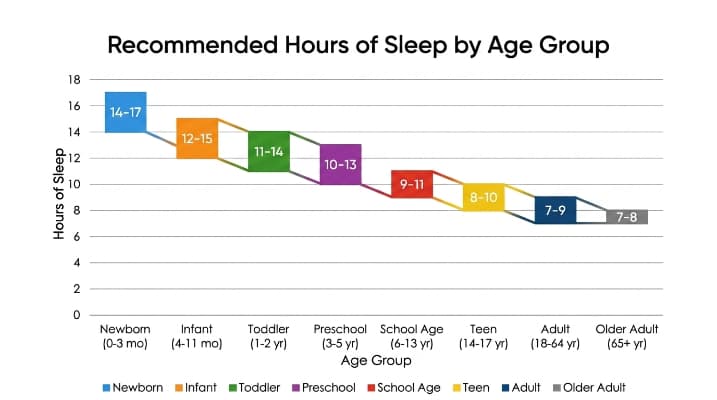
Sleep is often shrouded in misconceptions that can mislead individuals about their health. One widespread fallacy is the belief that older adults require less sleep. However, research indicates that adults aged 65 and above still need between 7-8 hours of sleep for optimal functioning. Another common myth is that napping can entirely compensate for a sleepless night. While brief naps can provide a refreshing boost, they cannot replace the restorative benefits of a full night’s rest. Rather than relying on naps, prioritize a consistent sleep schedule to enhance overall sleep quality. Discerning the truth behind these myths empowers you to make informed choices about your sleep habits, ensuring your body receives the rest it genuinely deserves. Allowing misconceptions to dictate sleep practices hinders progress; embrace informed strategies to enhance health and wellness!
Putting It Into Practice
For many individuals, improving sleep habits is a growth journey, often punctuated by small but powerful changes. Take Sarah, for example, a 32-year-old marketing professional. After enduring years of restless nights, she opted to adopt a calming pre-sleep routine. By curtailing screen time one hour before bed and diving into a book instead, she observed a dramatic enhancement in her sleep quality. Sarah discovered that she not only fell asleep faster but also woke up revitalized and sharper.
Likewise, David, a 45-year-old educator, faced insomnia stemming from a chaotic sleeping environment. After investing in blackout curtains and a white noise machine, his sleep quality saw remarkable improvement. These minor adjustments transformed his room into a tranquil haven, accommodating deeper and more restorative sleep, which ultimately elevated his mood and productivity throughout the day.
These relatable tales underscore how seemingly minor tweaks can yield substantial improvements. By reflecting on and adapting our own sleep routines, we too can nurture our wellness and experience the rejuvenating power of a lingering, peaceful night's sleep!
Summarizing the Essentials
Sleep is indispensable for maintaining physical and mental health, influencing everything from mood to cognitive effectiveness. Embracing healthy sleep habits—including establishing a consistent bedtime routine, crafting a restful sleeping environment, and limiting pre-sleep screen time—can significantly refine sleep quality. As you explore these practical strategies, remember that each individual’s sleep needs are unique. Tune into your body’s signals and adjust your habits accordingly to determine what functions best for you. By placing a premium on sleep, you can facilitate better health and overall well-being, making it a fundamental component of a balanced lifestyle.
Was this helpful? Share your thoughts