Why Women's Nutritional Needs Change With Age
Health
|
May 10, 2026
Understand how women's nutritional needs evolve with age. Learn about iron for menstrual health, calcium for bones, protein for muscle, and how hormones, metabolism, and lifestyle impact nutrient requirements through each life stage.
Think about the clothes you wore ten years ago. Your tastes and your needs probably changed. Just like your wardrobe, what your body needs to feel its best isn't the same at 25 as it is at 45 or 65. For women, nutrition isn't a one-size-fits-all plan you set in your twenties and forget. It's a shifting landscape influenced by everything from your monthly cycle to major hormonal transitions like menopause.
Your body's demands for specific nutrients change over time, and what kept you going in your college years might leave you feeling drained now. Understanding these shifts is less about following strict diets and more about tuning into what your specific body needs at different stages of your life. Let's break down how and why these changes happen, and what you can focus on to support your health through each decade.
How the Body Uses Nutrients Over Time
Your body is a dynamic system. The way it processes food, absorbs vitamins, and uses energy doesn't stay static. When you're younger, your metabolism is generally geared toward growth and development. As you move into adulthood, the focus shifts to maintenance and repair.
Later in life, the body's efficiency at absorbing certain nutrients can decline, and you might need more of specific vitamins and minerals to maintain the same functions, like keeping bones strong or muscles healthy. It's a natural process, and adjusting your food choices to match these internal changes is a key part of staying healthy.
Hormonal Changes and Nutrient Absorption
Hormones do a lot more than just regulate your cycle. They play a direct role in how your body uses the food you eat. Estrogen, for instance, has a hand in how your body manages cholesterol and uses calcium for bone strength. When estrogen levels fluctuate during your menstrual cycle or drop significantly during menopause, it can change your body's requirements.
These hormonal shifts can also affect your digestive system, potentially altering how well you absorb key nutrients like iron, B vitamins, and magnesium. This is a big reason why the same eating pattern might not yield the same energy levels or sense of well-being from one life stage to the next.
Nutrition Needs During the Reproductive Years
From your late teens through your forties, assuming you're not pregnant or breastfeeding, nutrition is centered on supporting a regular menstrual cycle, maintaining energy, and building a foundation for long-term health. This is a critical time for building peak bone mass, which is usually achieved by your late twenties.
A focus on calcium, vitamin D, and consistent protein is important. Iron is also a major player due to monthly blood loss. During this phase, overall balanced eating with plenty of fruits, vegetables, whole grains, and lean proteins sets the stage for resilience.
Iron Needs and Menstrual Health
Iron is a prime example of a nutrient with special importance for women during their reproductive years. Iron is the core component of hemoglobin, which carries oxygen in your blood. With each menstrual period, you lose iron.
If your dietary intake doesn't replace what's lost, you can develop iron deficiency, which can lead to anemia. Symptoms include fatigue, weakness, pale skin, and feeling cold. Women aged 19-50 need about 18 milligrams (mg) of iron per day, compared to 8 mg for men of the same age or women over 50.
Good sources include lean red meat, poultry, lentils, spinach, and iron-fortified cereals. Pairing plant-based iron sources with vitamin C-rich foods (like bell peppers or oranges) can boost absorption. The Office on Women's Health provides a clear overview of iron-deficiency anemia.
Bone Health and Calcium Use With Age
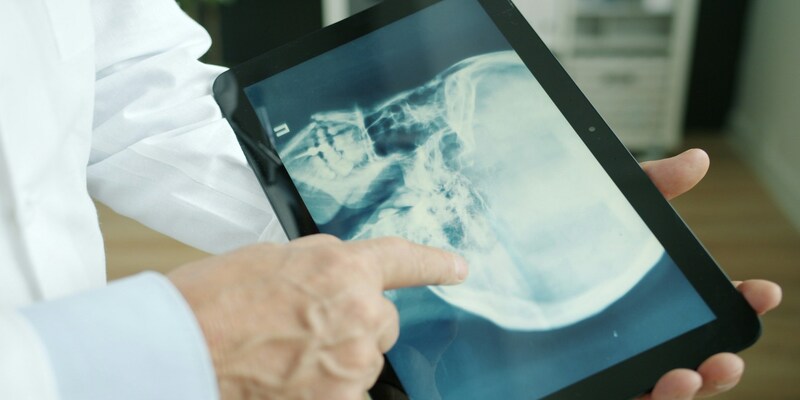
Your bones are living tissue. Until about age 30, you're generally building more bone than you lose. After that, bone density slowly begins to decline. For women, the drop in estrogen during menopause can accelerate bone loss, increasing the risk of osteoporosis.
Calcium is the main mineral in your bones, and getting enough throughout your life is crucial. Women 19-50 need 1,000 mg of calcium daily, and that requirement increases to 1,200 mg for women 51 and older. Dairy products, leafy greens (like kale and bok choy), and fortified plant milks are excellent sources.
It's best to get calcium from food, but if you consider a supplement, discussing it with your healthcare provider first is a good idea, as needs vary.
Vitamin D and Its Role in Women's Health
Think of Vitamin D as the key that unlocks calcium. Without enough Vitamin D, your body struggles to absorb calcium from your food, no matter how much you consume. It also supports muscle function and the immune system.
Many women don't get enough, especially those who live in northern climates, have darker skin, or spend most of their time indoors. The recommended daily amount for women 19-70 is 600 IU, and it increases to 800 IU after 70.
Your body can make Vitamin D from sun exposure, but food sources are important: fatty fish (salmon, mackerel), egg yolks, and fortified foods. Your doctor can check your Vitamin D level with a simple blood test. The National Institutes of Health Osteoporosis and Related Bone Diseases Center details this important relationship.
Metabolism Changes After Midlife
You've probably heard that metabolism slows with age. This is true, but it's often misunderstood. The decline is partly due to losing lean muscle mass, which naturally occurs over time (a process called sarcopenia).
Muscle tissue burns more calories at rest than fat tissue. So, less muscle means your body needs fewer calories to maintain its weight. If you keep eating the same amount you did in your 30s without adjusting for this change, you'll likely gain weight.
The solution isn't drastic calorie cutting, which can worsen muscle loss, but rather a focus on nutrient-dense foods and maintaining muscle through activity.
Protein Needs Across Different Life Stages
Protein is essential for building and repairing tissues, making hormones, and preserving muscle. While needs are often stable, the context changes. Younger women need it for general growth and repair. As you age, getting adequate protein becomes even more critical to combat the natural loss of muscle mass.
Some research suggests that spreading protein intake throughout the day, rather than eating most of it at dinner, can be more effective for muscle maintenance. Good sources include lean meats, fish, eggs, beans, lentils, tofu, and Greek yogurt. A healthcare provider or registered dietitian can help you determine the right amount for your activity level and life stage.
Digestive Changes That Affect Nutrient Uptake

Digestion can become less efficient with age. Stomach acid production may decrease, which can affect the absorption of vitamin B12, iron, and calcium. Changes in gut bacteria and slower movement of food through the digestive tract can also occur. This means that even if you're eating a nutrient-rich diet, you might not be absorbing all of it.
Paying attention to digestive health—through fiber, probiotics from foods like yogurt and fermented foods, and staying hydrated—becomes increasingly important. If you have persistent digestive issues like bloating or discomfort, it's worth discussing with a doctor.
Nutrition Considerations During Perimenopause
Perimenopause, the years leading up to your final period, is a time of hormonal rollercoasters. Fluctuating estrogen and progesterone can bring on symptoms that are directly impacted by what you eat. You might experience more bloating, weight gain around the midsection, sleep disturbances, and mood swings.
During this time, focusing on stabilizing blood sugar can help manage energy and cravings. This means pairing carbohydrates with protein and healthy fats (like an apple with almond butter), and choosing complex carbs (oats, quinoa) over refined ones. Cutting back on caffeine and alcohol might also help with sleep and hot flashes for some women.
Nutrition After Menopause
Once menopause is reached (defined as 12 months without a period), estrogen levels remain low. This has several nutritional implications. The risk for heart disease increases, making heart-healthy fats (avocados, nuts, olive oil) and fiber even more important.
Bone protection is a top priority, emphasizing calcium and vitamin D. Since metabolism has slowed, focusing on food quality—getting the most vitamins, minerals, and protein per calorie—is the smartest approach. This is a good life stage to work with a professional to fine-tune your eating habits for long-term health.
Common Nutrient Gaps Seen in Adult Women
Certain nutrients tend to be low in many women's diets, regardless of age. Being aware of them can help you make intentional choices.
- Calcium & Vitamin D: As discussed, crucial for bones and often under-consumed.
- Iron: Especially for women with heavy periods or those who don't eat much meat.
- Fiber: Important for digestive health, heart health, and feeling full. Most women don't get the recommended 25 grams per day.
- Potassium: Helps control blood pressure. Found in bananas, potatoes, beans, and leafy greens.
- Magnesium: Involved in hundreds of bodily processes, including muscle and nerve function. Sources include nuts, seeds, and leafy greens.
How Lifestyle Factors Influence Nutritional Needs
Your diet doesn't exist in a vacuum. Your job, activity level, and stress all shape your needs.
- Physical Activity: An active woman needs more calories overall, and particularly more carbohydrates for fuel and protein for muscle repair, compared to someone with a sedentary lifestyle.
- Stress: Chronic stress can deplete B vitamins and magnesium. It can also lead to cravings for high-sugar, high-fat foods.
- Sleep: Poor sleep disrupts hormones that regulate hunger (ghrelin and leptin), often leading to increased appetite and cravings the next day.
When to Discuss Nutrition With a Healthcare Provider
It's a good idea to bring up nutrition at your regular check-up, especially if:
- You're considering a major dietary change (like going vegan).
- You're experiencing persistent fatigue, digestive issues, or hair loss.
- You have been diagnosed with a condition like osteoporosis, anemia, or high cholesterol.
- You're thinking about pregnancy.
- You feel confused about conflicting diet advice.
- A registered dietitian (RD) or your doctor can provide personalized guidance based on your health history and bloodwork.
Why Nutrition Advice Can Differ Between Individuals
You've likely noticed that one popular diet works for a friend but does nothing for you. This is normal. Genetics, gut bacteria, activity patterns, food tolerances, and personal health history all influence how your body responds to food.
A plan that's perfect for one woman might be less effective for another. This is why personalized advice from a professional often beats following the latest trend.
What Current Research Is Examining Now
Science is always evolving. Current areas of interest in women's nutrition include:
- The specific role of the gut microbiome in hormonal health and weight management.
- How timing of meals (not just what you eat) might affect metabolism and health during menopause.
- Personalized nutrition approaches based on genetic testing, though this field is still young.
- The impact of specific dietary patterns, like the Mediterranean diet, on long-term disease prevention in women. You can follow credible research updates through sources like the Academy of Nutrition and Dietetics.
Changing Your Nutrition Intake
Navigating your changing nutritional needs is an ongoing part of self-care. It's not about perfection or jumping on every food trend. It's about awareness—understanding that your body's requirements at 25, 40, and 60 are different.
Start by focusing on the foundations: plenty of vegetables and fruits, quality protein, healthy fats, and enough water. Pay special attention to the key nutrients that often run low, like calcium, vitamin D, and iron. Listen to your body's signals.
If you're constantly tired, talk to your doctor; it could be a nutrient gap. The goal isn't to follow a rigid set of rules but to develop a flexible, informed way of eating that supports you through each chapter of your life. Making small, consistent adjustments based on what your body is telling you now is the most powerful nutritional strategy you have.
Was this helpful? Share your thoughts