What Is the Best Sleeping Position Health Benefits Explained
Health
|
May 23, 2026
Discover the best sleeping position for your health! Improve sleep quality and overall wellness with expert tips and insights on posture. Learn more!
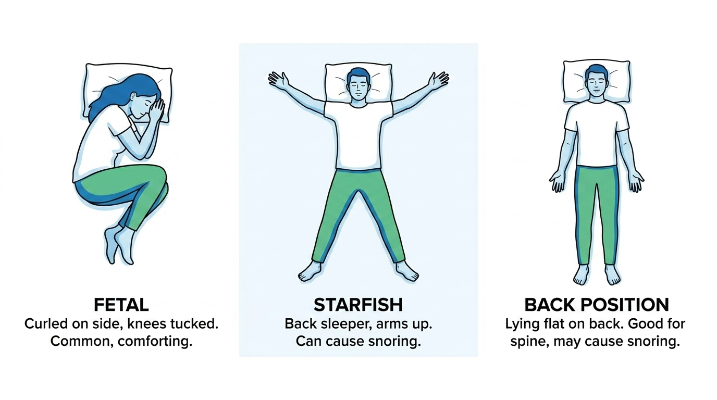
Sleep is a fundamental pillar of both physical and mental well-being. It plays a crucial role in replenishing energy levels, consolidating memories, and maintaining overall health. Despite its importance, many individuals struggle to achieve a restful night's sleep, often unaware that their sleeping posture significantly influences their rest quality. Whether curled up in a fetal position, spread out like a starfish, or lying flat on their backs, our choice of sleeping position affects everything from spinal alignment to mental health. Research indicates direct links between different sleeping positions and sleep quality, leading to the pressing question: what is the optimal sleeping position for health? This article will explore various sleeping habits, examine the implications of posture on our lives, and provide valuable insights to help enhance your sleep experience. If hormonal changes are affecting your sleep, understanding what actually helps menopause-related sleep problems may make it easier to find lasting relief.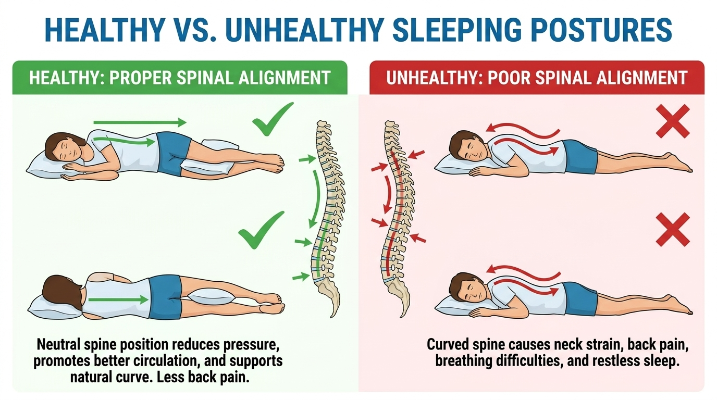
The Struggle for Sleep
Finding an ideal sleeping position can feel like a daunting quest. According to a survey by the National Sleep Foundation, 61% of adults report waking up with discomfort or fatigue, often attributed to their sleeping posture. Individuals lost in late-night activities frequently climb into bed, only to toss and turn as they try to alleviate persistent aches.
Take Jenna, a 32-year-old marketing manager, who describes her nightly struggle. "I’m a side sleeper, but I wake up with shoulder pain if I don’t use the right pillow. Half the time, I find myself flipping from side to side, trying to discover that perfect angle that doesn’t hurt my neck," she explains. Her experience resonates with many who strive to balance comfort and support.
Similarly, Daniel, a 45-year-old programmer, has found that sleeping on his back results in restless nights marked by snoring, leaving him groggy and irritable in the morning. "I didn’t realize how much my sleep position affected my mood until my wife started sleeping on the couch!" he shared. These stories underscore the common struggle of finding the right sleeping position, affecting not just physical comfort but emotional well-being as well.
Why It Matters
Selecting the proper sleeping position is essential for maintaining physical health, especially concerning spine alignment. A correctly aligned spine during sleep alleviates pressure on vertebrae and promotes better circulation, helping to prevent discomfort and pain associated with poor posture. A study published in the Journal of Clinical Sleep Medicine found that individuals in misaligned positions often experience more frequent back pain, which disrupts their sleep cycle and adversely affects overall health. Building healthy sleep habits can improve overall fitness results.
Good sleeping posture not only reduces pain but also enhances sleep quality, leading to improved mental clarity and higher energy levels during the day. Research from the University of California indicates that individuals who adopt effective sleeping postures report feeling more refreshed and alert compared to those who do not. When well-rested, cognitive functions improve, fostering better decision-making and productivity. Mindfulness regarding one’s sleeping position is crucial, not only for immediate comfort but also for long-term physical health and optimal mental functioning.
Healthy Habits & Practical Tips
Choosing the right sleeping position is vital for your health and requires some personal assessment. Here are practical strategies to help you find the best option tailored to your needs:
- Assess Your Current Position: Pay attention to how you feel in the morning. If you wake up with pain, discomfort, or fatigue, it may suggest that your current sleeping posture isn’t ideal.
- Consider Pillow Placement:
- Back Sleepers: Opt for a thinner pillow to support your neck's natural curve, and consider placing a small pillow under your knees to alleviate lower back pressure.
- Side Sleepers: Choose a contoured or thicker pillow to keep your head and neck aligned. Insert a pillow between your knees for hip alignment and reduced strain.
- Stomach Sleepers: Use a very thin pillow or none to ensure your neck remains aligned with your spine, minimizing strain.
- Choose the Right Mattress Type:
- Back Sleepers: A medium-firm mattress usually offers the best combination of support and comfort.
- Side Sleepers: A softer mattress can accommodate hip and shoulder curves effectively.
- Stomach Sleepers: A firmer mattress helps prevent sinking too deeply, which can lead to back strain.
- Create an Ideal Sleep Environment:
- Keep the room cool, dark, and quiet to facilitate restful sleep.
- Invest in blackout curtains and a white noise machine if necessary.
- Establish a Bedtime Routine:
- Maintain a consistent schedule for bedtime and waking up to regulate your internal clock.
- Incorporate relaxation techniques such as reading, meditation, or light stretches before sleep to prepare your body.
By thoughtfully evaluating your sleeping position and making small adjustments, you can enhance your sleep quality and overall health. Finding the right balance for your needs will lead to restful nights and rejuvenated mornings.
Common Mistakes or Myths
When it comes to sleeping positions, several common myths can lead us into unhealthy practices. One widespread misconception is that sleeping on your stomach is a viable option. In reality, this position can cause substantial neck and back pain due to unnatural spinal alignment. The American Chiropractic Association notes that stomach sleeping may pressure the spine and contribute to issues such as herniated discs.
Instead, experts often recommend side sleeping as a more advantageous alternative. This position aids in keeping the spine aligned and can also mitigate snoring and improve breathing in individuals with conditions like sleep apnea. A study published in the Journal of Clinical Sleep Medicine found that side sleeping benefits those with gastroesophageal reflux disease (GERD) by preventing stomach acid-related issues.
Another myth to clarify is the belief that back sleeping represents the supreme choice. While it supports spinal alignment, it may exacerbate sleep apnea or snoring. Customizing sleep posture according to individual health needs is essential. Consulting with a sleep specialist or chiropractor offers the opportunity for personalized advice based on unique circumstances, thereby improving the chances of achieving restorative sleep. Feeling tired all the time isn't always something to brush off. Researchers are taking a closer look at what persistent fatigue may reveal about women's health.
Embracing Healthier Sleep Practices
Choosing the best sleeping position will have a noteworthy impact on your health and well-being. The article emphasizes that side sleeping frequently ranks as the most beneficial position, as it promotes spinal alignment and lowers the risk of sleep apnea. However, it urges readers to consider their individual body needs and any existing issues—like back pain or snoring—that might influence their choices.
It's crucial to cultivate sustainable sleep habits, such as maintaining a consistent sleep schedule, crafting a relaxing bedtime routine, and ensuring a comfortable sleep environment. Implementing these practices enhances sleep quality and supports overall health. Remember, progress takes time—set realistic expectations and celebrate each step toward better sleep. Begin adjusting your sleeping position today; your body will appreciate the effort!
Was this helpful? Share your thoughts