Unlocking the Secrets to Restorative Sleep Understanding the Sleep Calculator
Health
|
May 5, 2026
Unlock the secrets to restorative sleep with a sleep calculator! Discover ideal sleep cycles, improve your health, and elevate your productivity today.
Sleep calculator shines as a beneficial resource, guiding individuals in determining optimal sleep and wake times tailored to their unique sleep cycles. By understanding their body’s natural rhythms and knowing the best times to rest, users not only enhance their sleep quality but also elevate their overall health and productivity. As sleep-related struggles become increasingly common across all ages, recognizing the importance of a sleep calculator is essential for fostering healthier sleep habits and improving well-being. Not all insomnia has the same cause. For women going through menopause, hormonal changes may be a major factor.
1. Definition of Sleep Calculator
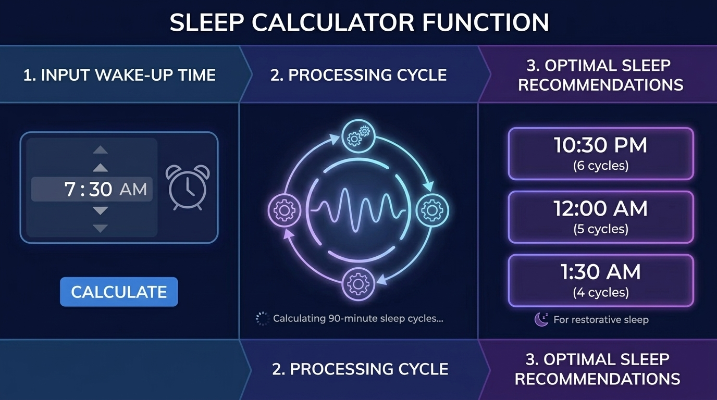
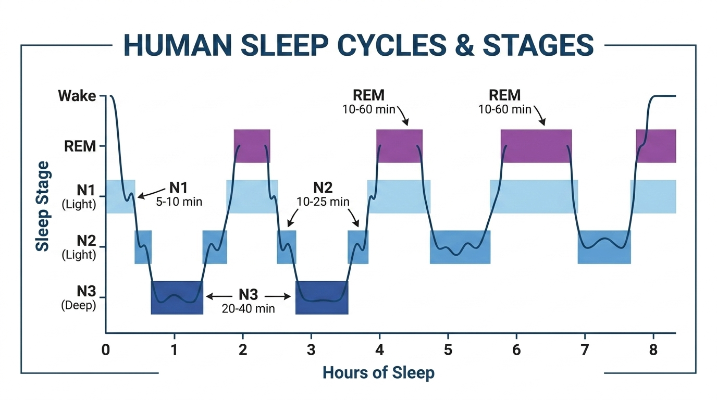
A sleep calculator is a practical tool that helps individuals pinpoint the ideal times to fall asleep and wake up, directly aligned with their specific sleep cycles. Generally, each person goes through multiple sleep cycles throughout the night, which consist of various stages of REM (rapid eye movement) and non-REM sleep. While non-REM sleep provides critical restorative phases essential for physical recovery, REM sleep plays a vital role in cognitive functions such as memory processing and learning.
The science behind sleep cycles is significant; an average full sleep cycle lasts approximately 90 minutes. Most individuals require about four to six cycles per night to feel well-rested. Thus, when someone needs to wake up at a specific time, such as 7:00 AM, the sleep calculator can recommend going to bed at 10:30 PM or even midnight. By aligning wake-up times with the completion of a sleep cycle, individuals can experience more refreshing sleep, leading to increased alertness and productivity the next day. Through such personalized scheduling, a sleep calculator helps promote better sleep health and overall well-being.
2. Causes of Poor Sleep
Inadequate sleep has become an alarming reality for countless individuals, fueled by a complicated mix of stress factors, lifestyle choices, and underlying health conditions. Statistics reveal that roughly 70 million Americans are grappling with chronic sleep disorders, with insomnia being one of the most widely reported issues. Stressful events and daily life pressures trigger anxiety, profoundly impacting sleep patterns. A survey conducted by the American Psychological Association highlighted that 61% of adults attribute stress as a major factor contributing to their sleeplessness.
Moreover, lifestyle decisions significantly contribute to poor sleep quality. Irregular sleep schedules, the overuse of electronic devices right before bedtime, and excessive caffeine or alcohol consumption all take a toll on our ability to achieve restorative rest. The National Sleep Foundation recommends that most adults get seven to nine hours of sleep each night. Separately, research has linked chronic sleep deprivation with a greater risk of unhealthy lifestyle behaviors and a range of long-term health conditions, including obesity, diabetes, and depression.
Understanding that sleep quality matters more than sheer quantity is crucial. A study from the Journal of Clinical Sleep Medicine illustrates that individuals who habitually wake during the night may still feel tired the following day, no matter the total hours slept. Poor sleep quality correlates with numerous health risks, including heart disease, cognitive decline, and weakened immune response, underscoring the urgent need for prioritizing sleep health. Ignoring adequate sleep can severely hinder daily productivity, emotional stability, and long-term health, making it crucial to address sleep concerns for optimal wellness.
3. Treatment Options
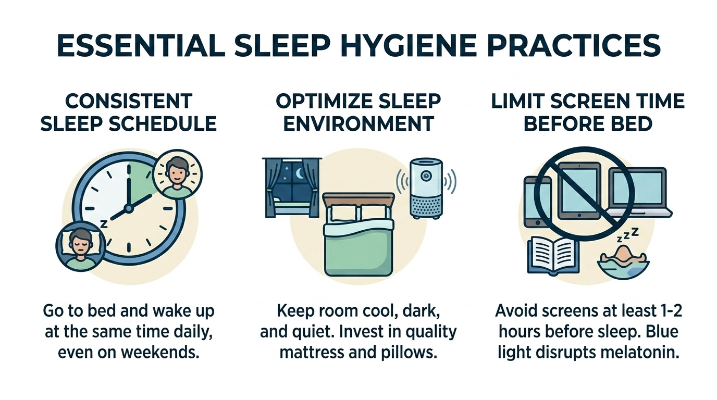
Improving sleep quality hinges on a multifaceted approach incorporating sleep hygiene practices, behavioral therapies, and medical interventions when needed. First and foremost, establishing a consistent sleep schedule is vital. Aim to maintain the same bedtime and wake-up time daily, including weekends. This regularity helps regulate the body’s internal clock, ultimately enhancing sleep quality over time.
Creating a conducive sleep environment is another essential component of sound sleep hygiene. Ensure your bedroom is dark, cool, and quiet, as these conditions promote better rest. Investing in a comfortable mattress and high-quality pillows that cater to your preferred sleeping position can significantly influence overall comfort. Utilizing blackout curtains, white noise machines, or earplugs may also enhance sleeping conditions, facilitating a more restful night.
Additionally, behavioral therapies, particularly cognitive-behavioral therapy for insomnia (CBT-I), have proven effective. This therapeutic approach focuses on changing the thoughts and behaviors that contribute to sleep disturbances. By teaching relaxation techniques, reframing negative sleep patterns, and cognitive restructuring, many individuals find relief through either working with a trained therapist or exploring various self-help resources available online.
If sleep disturbances persist, seeking the guidance of a healthcare provider may be beneficial. Medical treatments can include short-term medications or supplements like melatonin. However, always proceed cautiously and consult professionals before starting any new sleep regimen.
To implement these strategies effectively, consider keeping a sleep diary to document your sleep patterns and identify areas that may require adjustments. Start with one manageable change, whether it's shifting your bedtime or creating a more inviting sleep environment. By integrating these practices, significant improvements in sleep outcomes can be expected, ultimately contributing to overall well-being.
4. Risk Warnings
Neglecting healthy sleep patterns can yield severe consequences, as chronic sleep deprivation is associated with numerous health risks. From a physical standpoint, insufficient sleep can heighten the likelihood of cardiovascular diseases, including hypertension, heart attack, and stroke. The body’s capacity to rejuvenate itself during sleep becomes compromised, resulting in a weakened immune system and greater inflammation.
The mental ramifications are equally concerning; research has consistently shown a direct link between poor sleep and heightened anxiety and depression. Lack of quality rest can impair cognitive abilities, leading to challenges in concentration, memory, and decision-making skills. On an emotional level, deficiencies in sleep can lead to increased stress and irritability, undermining one's ability to tackle daily challenges and straining interpersonal relationships.
This stark reality highlights the critical importance of prioritizing sleep health. By making sleep an essential part of our lives, we can circumvent serious health setbacks. By understanding and respecting our sleep requirements, we can safeguard against the multitude of risks associated with poor sleep, ultimately fostering improved overall wellness and enhancing our quality of life.
5. Real-Life Scenarios: Enhancing Sleep Quality with a Sleep Calculator
For a busy professional balancing tight deadlines and a demanding career, a sleep calculator can revolutionize their approach to rest. Take Sarah, a marketing executive often burning the midnight oil. By entering her desired wake-up time into the sleep calculator, Sarah realizes she should be in bed by 11 PM to maximize her rest. Upon adopting this schedule, she finds herself waking up refreshed, allowing for heightened productivity and an improved mood throughout her hectic day.
Consider Jake, a college student who frequently struggles with late-night study sessions. The sleep calculator indicates that adhering to sleep cycles is crucial for avoiding grogginess. Adjusting his routine to wake up at the end of a sleep cycle rather than in the middle results in a noticeable enhancement in his focus and retention while studying.
Both Sarah and Jake not only experience better sleep quality but also enjoy marked benefits in their daily lives, such as increased energy, improved concentration, and enhanced emotional equilibrium. The sleep calculator proves to be a practical tool, enabling them to effectively manage their sleep schedules and promoting a healthier, more productive lifestyle.
Prioritizing Rest for a Brighter Future
In summary, a sleep calculator is indispensable in cultivating healthier sleep patterns. Throughout this discussion, we have examined its role in determining optimal sleep and wake times, addressing common traps that can negatively impact sleep quality. By acknowledging the significance of sleep duration and cycles, readers are empowered to make informed decisions regarding their rest. By embracing the use of this effective tool, individuals can reap long-term benefits such as enhanced mood, increased productivity, and improved overall health. Make the sleep calculator a part of your journey toward restorative sleep and improved well-being.
Was this helpful? Share your thoughts