What Causes High Potassium Levels in Elderly
Health
|
May 11, 2026
Why are older people more likely to have a high potassium level or hyperkalemia? As you grow old, your body parts don't function well. The medicines you take and the foods you eat can all upset the delicate potassium balance in your body.
Why are older people more likely to have a high potassium level or hyperkalemia? As you grow old, your body parts don't function well. The medicines you take and the foods you eat can all upset the delicate potassium balance in your body.
The risk is even higher with chronic conditions such as diabetes and heart failure. The key causes of hyperkalemia in older people are discussed in this article.
It indicates the importance of early detection and management to safeguard elderly people from hyperkalemia and prevent life-threatening complications.
Kidney-Related Factors
Reduced Kidney Function
The main organs, like kidneys, are the control centers that prevent potassium levels from rising. As we age, our kidneys become less efficient at doing their jobs—think of them as dead filters.
That means the blood isn't clearing that potassium for older adults, either. This problem is sometimes made worse by chronic kidney disease or even kidney failure, causing dangerously high potassium levels.
Tubulointerstitial Disease
Again, this is another kidney-related problem you don't hear much about, but it also sometimes causes the body to regulate potassium. This disease makes the kidney unable to process and excrete potassium properly, and more potassium builds up in the blood.
Potassium Regulation and Aldosterone
Aldosterone is a crucial hormone that's made in the adrenal glands. It helps maintain the body's balance of potassium and sodium.
It operates like a thermostat, reducing potassium excretion when it is too high and bringing the resulting excess out in urine and sodium to control fluid balance and blood pressure.
Disturbed aldosterone production will have effects.
● It does not remove the excess potassium from the body with insufficient aldosterone.
● This causes hyperkalemia, which is high potassium levels in the blood.
● Certain medical conditions can cause hormone failure, and it's just part of getting older.

Potassium imbalance and Addison's disease.
The impaired function of the adrenal glands to produce adequate amounts of hormones such as aldosterone is a rare disorder.
The lack of aldosterone results in:
● Damage of potassium and sodium regulation.
● It causes potassium buildup and electrolyte imbalances.
Fatigue, low blood pressure, and darkening of the skin are common symptoms of Addison's disease, which should not be confused with the risk of hyperkalemia.
Impact on the Elderly
As we age, hormone balance and kidney function are more likely to become out of the normal range. A combined effect causes hyperkalemia to occur more quickly in older adults.
This disease must be recognized and treated to avoid adding complications. Then, potassium levels can be maintained, and hormones can be adequately treated.
Medication-Related Causes
Alterations in Potassium
Older adults have to take many of the drugs that can, by mistake, raise their potassium levels — often for chronic conditions. For instance:
● High blood pressure is frequently treated with diuretics; perhaps some can aggravate potassium retention.
● Indirectly, NSAIDs can cause potassium to build up, as they reduce kidney function.
● ACE inhibitors and beta blockers, other heart-problem medicines, may also raise potassium levels.
● Antibiotics such as trimethoprim-sulfamethoxazole can also have this side effect.
Potassium Supplements
Potassium supplements might help some people, but older people can harm themselves by taking too much. If they're at risk for hyperkalemia, they should be monitored for intake.
Dietary Factors
High-Potassium Diet
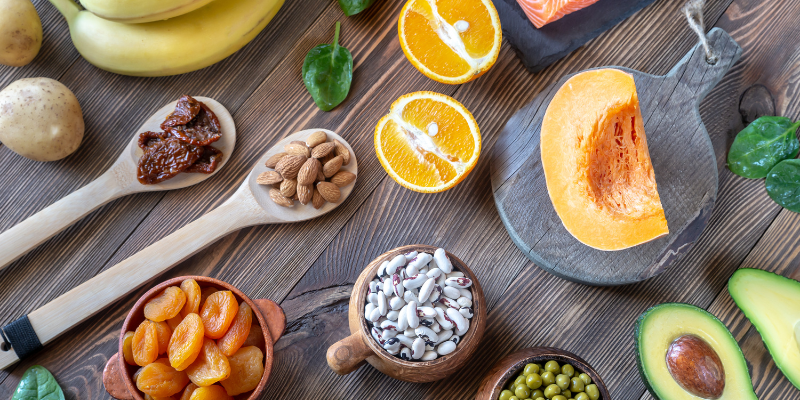
You may have heard that bananas, potatoes, and tomatoes are high-potassium foods, and rightly so. However, these foods can raise potassium levels when consumed in large quantities, especially among adults with decreased kidney function. Even virtuous habits like eating yogurt or using potassium-rich salt substitutes may make the difference.
Salt Substitutes
Not only are these alternatives advertised as ''healthier'' than regular salt, but they are often more expensive, too. But many of them are high in potassium, and you'd be surprised by how much of a hidden danger too high in potassium is for older individuals trying to regulate their potassium levels.
High Potassium Levels - Medical Conditions.
Potassium Disturbances And Diabetes
With diabetes, potassium levels may change significantly, mainly if poorly controlled. Long-standing high blood sugar damages the kidneys and prevents them from filtering potassium effectively from the body.
This damage can lead to too much potassium in the blood — an accumulation called hyperkalemia.
With Type 1, there is a much higher risk for the patient because the delicate balance between insulin and the body's potassium regulation is very fragile.
Insulin And CHF
Insufficient insulin, the hallmark of Type 1 diabetes, disrupts this process and blocks potassium from being pumped back into the body's body's cells, where it rises.
● Another important cause of hyperkalemia is CHF, which is also a common condition in older people.
● Between 20 percent and 30 percent of CHF patients have abnormal potassium levels at some point.
This is partly due to the medications commonly used to manage CHF, such as:
● Diuretics are among the drugs they include, which can decrease or increase potassium levels based on your type.
ACE inhibitors also help heart function but can impair the kidneys' ability. However, extra attention must be paid to potassium regulation in the interaction of CHF-related kidney strain and medication effects in these patients.
Both conditions suggest that people with diabetes or CHF will need frequent potassium monitoring to prevent hyperkalemia.
Other Factors
Dehydration
When the body is much less hydrated, potassium levels can become concentrated in the blood. Some claim that the ingredients taste sharper if you boil soup with less water. People of advanced age do not often realize that high potassium is one reason for their dehydration, and they do not feel as thirsty as others.
Severe Burns or Injuries
When tissue is severely burned or injured, potassium inside cells is released into the bloodstream. This much blood at once can undoubtedly upset all the different systems in the body, including the kidneys.
Alcoholism
Too much alcohol can destroy muscle, which puts more potassium in the bloodstream. The effect of any chronic alcohol use on total body health is that it can't balance the body.
Age-Related Predisposition
Abnormalities in Potassium Homeostasis
Even those without particular illnesses are more likely to have potassium imbalances than older adults. Inapparent renal insufficiency (subtle, mild kidney dysfunction with no apparent symptoms), abnormal salt and water balance, and other conditions interfere with the body's ability to maintain potassium balance.
Lowered Susceptibility to Medication Effects
People who are elderly respond differently to medications. Metabolism is slower, so the medications stay in the body longer, and you are at a higher risk for side effects from the medication, such as hyperkalemia. Something that even normal-dose medications that affect potassium can be a problem with.
Let’s Stay Healthier
Usually, high potassium has a combined effect on older people. If you have poor kidney function, hormonal changes, take medications, have a poor diet, or certain underlying health conditions, all that makes a challenge.
Potassium is an important mineral that can be hard to balance as you age. Caregivers and the elderly must monitor potassium levels, particularly if they have a chronic condition or are taking several medications; checkups, a balanced diet, and staying hydrated are simple ways to decrease the chances of hyperkalemia.
If you know the right stuff and take the proper precautions, you can keep potassium levels at the appropriate levels and fend off illness and disease as you age.
Was this helpful? Share your thoughts