Student Loans A Comprehensive Guide to Repayment Options and Financial Implications
Finance
|
April 2, 2026
Student loans are a crucial financial aid tool specifically designed to help students cover the significant costs associated with higher education. These loans can alleviate the financial burden of tuition, textbooks, housing, and other essential education-related expenses, with the intention that students will repay them post-graduation.
Student loans are a crucial financial aid tool specifically designed to help students cover the significant costs associated with higher education. These loans can alleviate the financial burden of tuition, textbooks, housing, and other essential education-related expenses, with the intention that students will repay them post-graduation.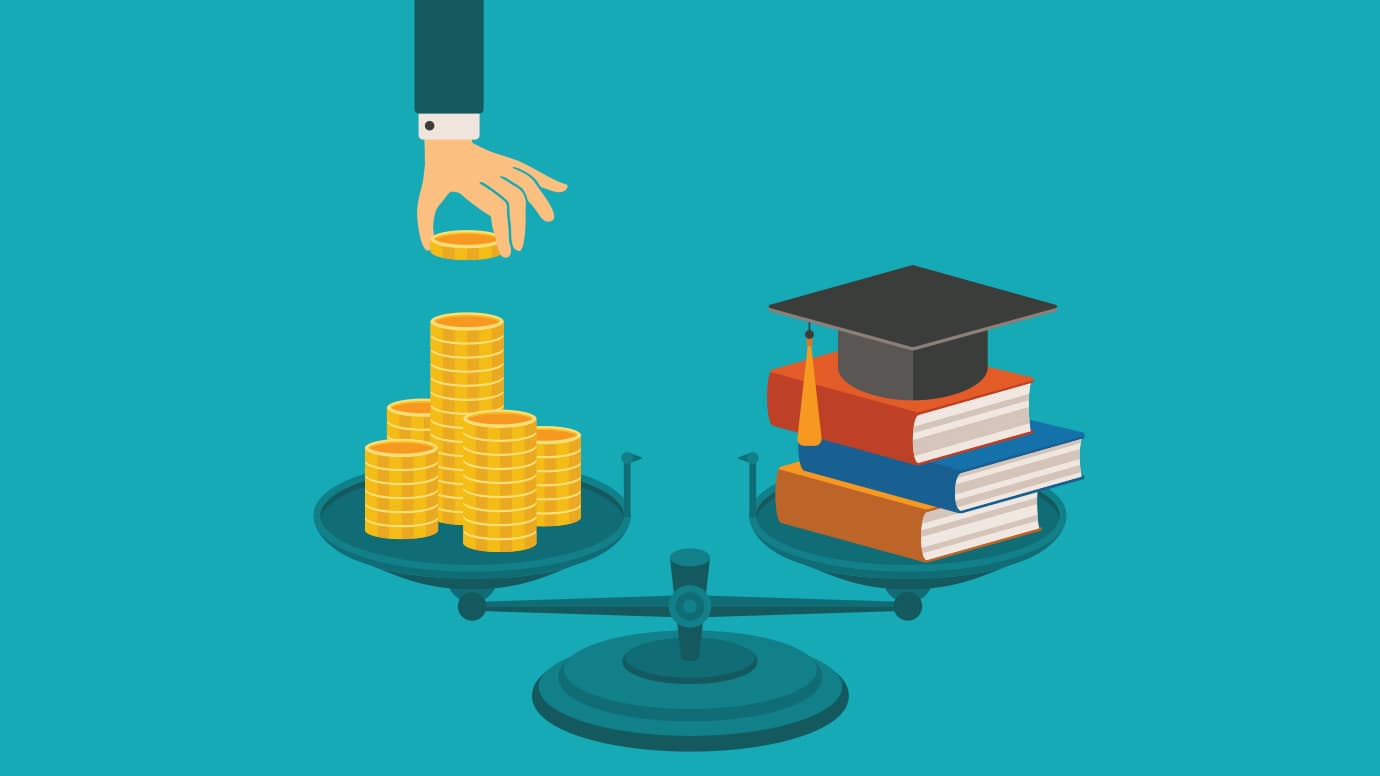
There are two primary categories of student loans: federal loans and private loans. Federal student loans, which are funded by the government, usually feature lower interest rates, flexible repayment options, and various borrower protections. In contrast, private loans are offered by banks, credit unions, and other financial entities. These often come with higher interest rates and fewer repayment strategies. Additionally, the eligibility for federal loans is primarily based on financial need, while the approval for private loans often relies on the borrower's credit rating.
How Student Loans Work
Understanding the mechanics of student loans is vital. Interest rates may either be fixed or variable, significantly impacting the total cost over time. Fixed rates remain the same throughout the life of the loan, while variable rates can fluctuate, often leading to unpredictable repayment amounts. Repayment timelines generally start six months after graduation, following a grace period defined for most loans, which allows students to find employment. Loan servicers play a key role in this process, managing payments and maintaining communication between borrowers and lenders.
Types of Student Loans Explained
Federal Subsidized Loans are designed for students with demonstrated financial need, allowing the government to cover the interest while borrowers are in school. Federal Unsubsidized Loans do not require proof of need; however, interest begins accruing immediately upon disbursement. Private student loans can vary widely in terms of their application process, rates, and repayment conditions, which typically depend on a borrower's creditworthiness. Furthermore, Parent PLUS Loans serve as an option for parents to help fund their child's education, but they come with specific eligibility criteria and repayment schedules.
Student Loan Repayment Options
When it comes to repaying student loans, borrowers have several options to consider. The Standard Repayment Plan involves fixed payments over a period of 10 years, providing a straightforward path to debt clearance. Conversely, Income-Driven Repayment Plans structure payments based on the borrower's income, helping to ease the burden during financially challenging times. For those unable to afford the standard payment, Extended Repayment Plans stretch the repayment period up to 25 years, which can lower monthly costs but may increase total interest paid. Additionally, Loan Forgiveness Programs offer relief for qualifying borrowers who work in certain public service jobs or meet other specific criteria.
Challenges of Student Loan Debt
The ramifications of student loan debt can be staggering. As tuition rates continue their upward trajectory, the average student loan debt has significantly risen, with borrowers accumulating an average of $29,000 per graduate, according to recent statistics. Compounding interest can substantially increase the final repayment amount, ultimately stressing graduates financially and emotionally as they navigate their post-college life. Furthermore, the landscape of student loans is persistently changing due to policy adjustments, adding further uncertainty for borrowers trying to plan their financial futures.
Real-Life Impact of Student Loans
The impact of student loans is not only felt by individual borrowers but also reflects on families and wider communities. Many students juggle part-time jobs alongside their studies, often working long hours to help cover tuition and living expenses. Recent graduates face the daunting task of managing their debts against their career salaries, with varying degrees of success—some find themselves struggling under the weight of unpaid loans while others efficiently navigate their repayment journeys. Moreover, families often play a supportive role in this process, discussing financing avenues and contributing to their children's educational costs, which can lead to intergenerational financial discussions.
Moving Forward with Student Loans
In light of all these factors, understanding the intricacies of student loans is vital for effective financial planning and management. Familiarity with different types of loans, repayment options, and the potential pitfalls of debt can empower borrowers to make informed decisions that better align with their financial situations. With knowledge comes the power to navigate the world of student loans strategically, ensuring that financial futures are not jeopardized by poorly understood debt obligations. Ultimately, equipping ourselves with accurate information regarding student loans is essential for fostering a secure financial future.
Was this helpful? Share your thoughts