Should I Get Travel Insurance A Complete Guide to Deciding
Insurance
|
April 27, 2026
As you prepare for your upcoming adventure, you may find yourself asking, "Should I get travel insurance?" This question does not have a one-size-fits-all answer; it largely depends on several factors, including the nature of your trip, your chosen destination, and your personal risk tolerance. Consider the possibilities of unexpected challenges you might face while traveling—ranging from flight delays and lost luggage to serious medical emergencies abroad. Many travelers reflect on their experiences and identify moments of regret for not securing insurance when it could have provided them with much-needed peace of mind.
As you prepare for your upcoming adventure, you may find yourself asking, "Should I get travel insurance?" This question does not have a one-size-fits-all answer; it largely depends on several factors, including the nature of your trip, your chosen destination, and your personal risk tolerance. Consider the possibilities of unexpected challenges you might face while traveling—ranging from flight delays and lost luggage to serious medical emergencies abroad. Many travelers reflect on their experiences and identify moments of regret for not securing insurance when it could have provided them with much-needed peace of mind.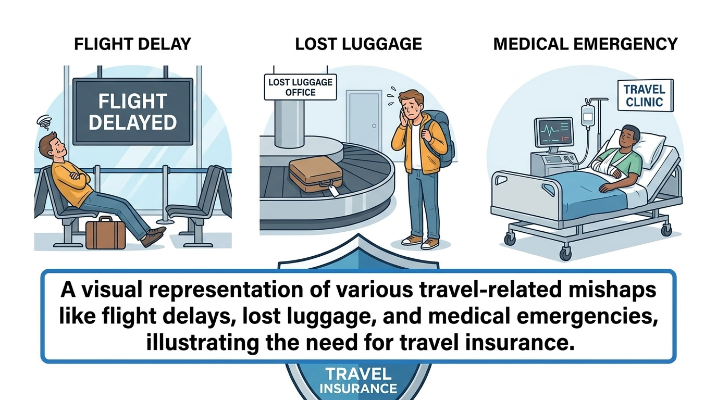
In this guide, we aim to navigate the complexities of travel insurance, empowering you to assess whether coverage is a sensible choice for you. We’ll analyze various scenarios, from spontaneous weekend getaways to extensive international trips, while pinpointing common situations that reveal where insurance can be indispensable. By the culmination of this article, you will have the necessary insights to arrive at a well-informed decision regarding travel insurance for future travels.
Should I Get Travel Insurance?
Travel insurance is not merely an optional luxury; it frequently embodies a necessity, especially for international excursions, high-value trips, or instances where reservations are non-refundable. For example, consider the financial implications of a lavish vacation booked months in advance. If an unforeseen illness or last-minute flight cancellation arises, travel insurance may offset significant financial losses, saving you thousands of dollars.
The degree of risk associated with your travel plans can dramatically vary based on your destination and the nature of your travels. Adventure enthusiasts involving themselves in high-risk activities like skiing may face more hazards than those enjoying leisurely vacations. Furthermore, traveling to regions with less robust healthcare systems can expose you to higher risks. Thus, executing a straightforward cost versus potential loss analysis becomes crucial: if the financial implications of your trip are substantial, the reassurance provided by travel insurance is invaluable. Ultimately, your personal travel circumstances will reveal whether obtaining travel insurance aligns with your needs.
What Does Travel Insurance Actually Cover?
Grasping the key components of travel insurance is vital for safeguarding your investment and ensuring tranquility throughout your journeys. Here’s a detailed breakdown of the fundamental coverage types:
- Trip Cancellation and Trip Interruption
This aspect covers non-reimbursable expenses if you have to cancel or shorten your trip because of unforeseen events like illness or emergencies. Protecting your financial investment is paramount, potentially saving significant amounts in the event of sudden changes. - Emergency Medical Coverage
This component provides coverage for medical expenses incurred during your travels, including hospital visits and treatment for unexpected ailments or injuries. It's crucial to ensure you have the necessary medical care without facing exorbitant out-of-pocket costs during your overseas adventures. - Lost or Delayed Baggage
This coverage compensates travelers for personal belongings that are lost, stolen, or delayed during transit. This insurance feature enables you to cover essential costs for clothing and toiletries while waiting for your luggage’s arrival. - Travel Delays and Missed Connections
This component covers expenses you might incur due to unforeseen travel disruptions, such as the need for accommodations or meals during delays. It ensures you are not left stranded without assistance when unexpected travel delays occur. - Emergency Evacuation Coverage
This crucial coverage addresses the costs associated with transporting you to a medical facility or back home in the event of a severe emergency. It is essential for travelers venturing to remote locations with limited access to healthcare services.
Understanding these coverage components serves as a foundation for travelers to evaluate their individual needs when selecting an appropriate policy for peace of mind.
When Should I Get Travel Insurance?
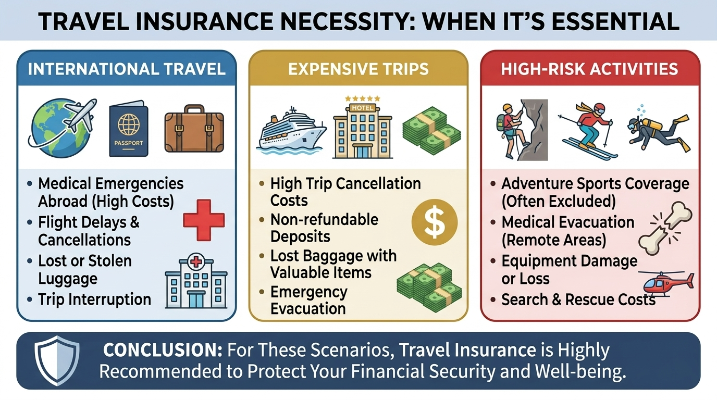
Securing travel insurance is paramount during particular still scenarios wherein unforeseen events could lead to significant financial detriment. Here are pivotal circumstances where insurance is strongly advised:
Expensive Non-Refundable Trips
If your plans revolve around costly engagements—like a family getaway to an exotic destination—travel insurance serves as vital protection. In the event a sudden illness or disruption leads you to cancel your plans, having insurance can help you avoid losing thousands of dollars tied up in non-refundable payments.
International Travel
Traveling internationally generally encompasses greater risks, including potential flight cancellations, misplaced luggage, or medical emergencies. When planning a journey to a different continent, securing travel insurance is essential as medical expenses can be exorbitantly high, and health care standards may differ significantly from those in your home country.
High-Risk Destinations or Activities
Engaging in adventure sports or visiting unstable areas magnifies the likelihood of potential incidents. If your journey includes skiing in the Alps or trekking in remote terrains, travel insurance provides essential coverage for accidents or evacuations that could otherwise inflict severe financial burdens.
Traveling With Pre-Existing Conditions
If you have pre-existing medical conditions, acquiring travel insurance becomes crucial. Without appropriate coverage, emergencies tied to your existing health conditions could result in mounting expenses that may obscure your travel budget.
Family or Group Travel
Traveling with family or a group raises the probability of delays or cancellations stemming from unexpected events. Illness outbreaks or family emergencies can lead to significant financial losses. Travel insurance can provide peace of mind and financial protection for all group members involved.
When You Might NOT Need Travel Insurance
While travel insurance can serve as a beneficial safety net for vast numbers of travelers, certain circumstances may warrant foregoing insurance coverage altogether. For example, if you are embarking on a short domestic trip, the likelihood of emergencies or sudden cancellations is generally lower, rendering insurance less essential. Making entirely refundable bookings also diminishes the necessity for coverage, as you can recover your funds without insurance if plans must change.
Additionally, many credit cards extend travel protection, which may cover things like trip interruptions and cancellations. If your travel plans were booked with a credit card that already encompasses these benefits, purchasing extra insurance may prove redundant. Lastly, for budget travel plans where potential loss is minimal, the investment in insurance often does not equate to the expense. Although travel insurance might be invaluable for many, evaluating your individual circumstances can help clarify if it’s genuinely needed.
How Much Does Travel Insurance Cost?
Understanding the financial implications of travel insurance while planning your journey is essential. Generally, travel insurance expenses range from 4% to 10% of your trip’s total cost. However, a variety of factors can substantially influence these rates.
Age is a notable factor; older travelers may face higher premiums owing to increased health risks associated with age.
Destination likewise factors in—trips to countries characterized by elevated healthcare costs or political instability frequently incur higher insurance fees.
The length of the trip also plays a vital role, as longer vacations often inflate total costs. Lastly, the coverage level selected impacts pricing; comprehensive plans accommodating a broader spectrum of risks tend to cost more than basic alternatives.
A common misconception is that travel insurance is unnecessary for shorter trips; however, given the unpredictable nature of travel, acquiring insurance can provide peace of mind equally, regardless of trip duration.
Common Mistakes When Buying Travel Insurance
When investing in travel insurance, numerous travelers fall prey to typical pitfalls that can potentially expose them in times of need. Here are key pitfalls to sidestep:
- Buying Too Late: Many individuals postpone obtaining insurance until the last minute, which can have dire consequences, especially if unexpected trip cancellations occur prior to policy activation. It is advisable to secure travel insurance soon after completing your trip booking to ensure you have complete coverage.
- Choosing Lowest Coverage Blindly: The temptation to select the cheapest policy without thoroughly reviewing its details can lead to insufficient coverage. Comparatively examining multiple policies and prioritizing critical coverage areas, such as medical expenses and trip cancellations, is essential.
- Ignoring Exclusions: Every insurance policy is accompanied by exclusions, which may include specific high-risk activities or pre-existing health conditions. It is critical to scrutinize the fine print and select a policy that aligns with both your travel plans and health status.
By being cautious and informed, travelers can avoid these missteps and ensure they secure the appropriate protection for their adventures.
How to Choose the Right Travel Insurance Policy
When it comes to selecting an appropriate travel insurance policy, adhering to these essential steps can help ensure you make a sound decision:
- Evaluate Trip Cost and Risk
Assess the total costs associated with airfare, accommodations, and activities. A greater financial commitment translates to increased risk. - Compare Coverage Types
Search for comprehensive plans that cater to medical emergencies, trip cancellations, lost luggage, and any other important facets based on your itinerary. - Check Medical Coverage Limits
Ensure the policy offers high medical expense limits, particularly for international excursions where healthcare can be costly.
Taking these steps will help you select a travel insurance policy that effectively matches your travel requirements.
Final Thoughts on Should I Get Travel Insurance
Choosing whether to obtain travel insurance isn’t universally clear-cut; instead, it involves a thoughtful process of risk management. Throughout this guide, we have highlighted how the necessity of insurance can hinge on the specificities of your trip, the investment it entails, and your personal health circumstances. Weigh your trip's value against the potential risks that may present. Reflect on crucial factors such as trip expenses and activities posing the risk of unforeseen events. Ultimately, the right judgment will differ amongst individuals, showcasing the importance of conducting a careful evaluation on a case-by-case basis. By reflecting on your travel intentions and weighing the available insurance options, you can arrive at a discerning decision that best fits your requirements, ensuring your travels unfold as stress-free as possible.
Was this helpful? Share your thoughts