The Best Eco-Friendly Insulation to Lower Your Cooling Bills This Summer
LifeCare & Lifestyle
|
April 13, 2026
Lower summer cooling bills with eco-friendly insulation like cellulose, mineral wool, or natural fibers. Boost comfort, airflow, and energy efficiency.
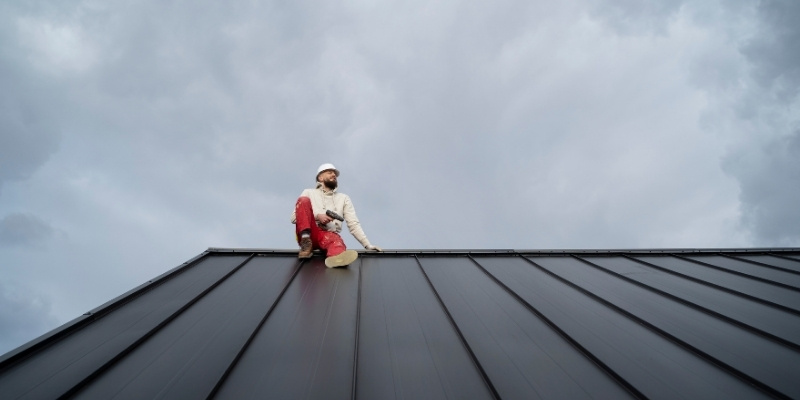
Summer heat can make your home feel like an oven. Hot air in the attic pushes down, making your AC work harder and driving up energy bills. Insulation isn’t just for winter; it slows heat from coming in, keeping rooms cooler and more comfortable.
Choosing eco-friendly options can help even more: many naturally resist fire, handle high heat better, and improve indoor comfort. The trick is picking the right material and installing it properly to get the full benefit.
How Insulation Controls Summer Heat
Heat always moves toward cooler spaces. In summer, that means outdoor heat pushing into the attic and living areas. Insulation works by resisting this movement, creating a barrier that slows heat flow before it reaches conditioned rooms.
Thermal Resistance
Thermal resistance is measured using R-value. A higher R-value means stronger resistance to heat transfer. Many older homes fall short here. Insulation settles over time, leaving gaps that allow cool air to leak out and hot air to move in.
Eco-friendly insulation materials often provide:
- Higher density, which reduces air movement
- Better performance in extreme attic temperatures
- Natural resistance to fire or pests
Still, even the best material cannot perform well if air leaks are left unsealed.
Eco-Friendly Insulation Options That Perform Well in Summer
Sustainable insulation materials have grown in popularity as homeowners look for safer, more effective alternatives to conventional products. Each option comes with strengths and limitations.
Cellulose Insulation
Cellulose is made from recycled paper products treated to resist fire and pests. Its density and fine particles make it particularly effective in hot attics, where air movement drives heat gain.
Why it works well
- Fills small gaps and irregular spaces better than rigid boards.
- Slows air movement through the attic, reducing heat transfer.
- Contains a high percentage of recycled content, making it eco-friendly.
Things to consider
Installation can create dust; wearing a mask and protective clothing is recommended.
Must remain dry - moisture can cause it to settle, reducing effectiveness.
Best applied as a blown-in layer over existing insulation, which can save time and costs compared to full removal.
Cellulose works well for homeowners looking to upgrade insulation without a major remodel. Adding 2-3 inches of blown cellulose can reduce attic temperatures noticeably in summer.
Mineral Wool Insulation
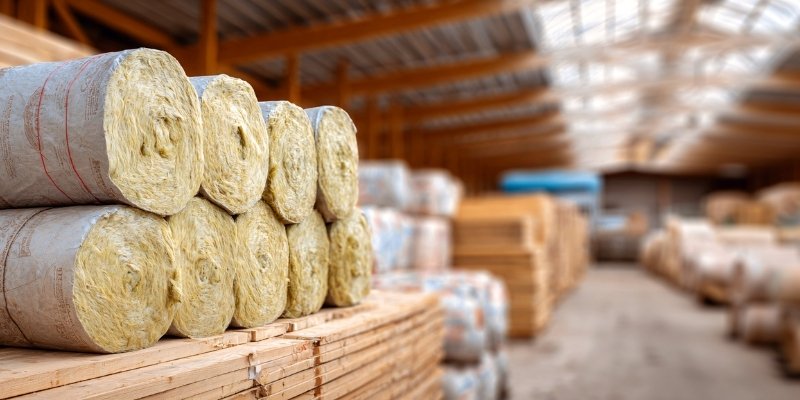
Mineral wool, often called rock wool, is made from volcanic rock and recycled industrial materials. Its density and structure allow it to maintain performance even under extreme heat.
Key advantages
- Retains R-value in high-temperature environments, unlike some fiberglass products.
- Naturally fire resistant, adding a layer of safety.
- Reduces noise transmission between rooms or from the outside.
Limitations
- Heavier than other insulation types, so proper support during installation is important.
- Slightly higher material cost, though long-term durability often offsets this.
Mineral wool usually comes in batts that fit snugly between joists. When installed correctly, it minimizes gaps and thermal bridging, which is essential for maintaining consistent attic temperatures.
Natural Fiber Options: Sheep’s Wool and Hemp
Wool and hemp insulation appeal to homeowners seeking fully natural materials. These fibers manage moisture effectively and remain functional even as humidity shifts, a common challenge in summer months.
Notable traits
- Safe to handle with minimal irritation, no special protective gear needed.
- Naturally regulates moisture, helping prevent mold and mildew.
- Offers long service life when kept dry and properly ventilated.
Drawbacks
- Typically more expensive than cellulose or mineral wool.
- Availability can vary by region, and installation expertise may be limited.
Natural fiber insulation is ideal for eco-conscious homeowners willing to invest upfront for long-term comfort, moisture control, and sustainability benefits.
Balancing Cost, Labor, and Long-Term Savings
Insulation upgrades often pay for themselves through lower energy bills, though the timeline depends on climate and installation method.
DIY Installation or Professional Work
Some insulation projects are manageable without professional help. Open attics with simple layouts allow homeowners to add insulation safely with proper planning.
DIY projects often include:
- Laying batt insulation
- Blowing loose-fill material over existing layers
- Basic preparation and cleanup
Professional installation becomes the better option when:
- Old insulation must be removed
- Air sealing is extensive
- The attic has complex angles or limited access
Air sealing is especially valuable. Sealing gaps around wiring, plumbing, and fixtures prevents hot air from bypassing the insulation layer.
Time and Physical Demands
Attic work in summer requires strict planning. Heat builds quickly, and long exposure can become dangerous.
A typical attic upgrade may involve:
- Early morning work only
- Frequent breaks
- Adequate lighting and ventilation
Rushing the process often leads to mistakes that reduce performance.
Common Errors That Reduce Insulation Performance
Even quality materials can fall short when installation details are overlooked.
Blocking Roof Ventilation
Soffit vents allow hot air to exit the attic. Covering them with insulation traps heat and moisture, leading to roof damage over time. Vent baffles help maintain airflow while allowing full insulation coverage.
Ignoring the Attic Access Point
The attic hatch often becomes a weak point in the thermal barrier. Without insulation and weather sealing, it allows hot air to drop directly into the home.
A simple fix includes:
- Rigid foam insulation attached to the hatch
- Weatherstripping around the frame
Safety Risks in Older Homes
Older attics may contain hazardous materials or outdated wiring. Signs that require professional evaluation include:
- Crumbly, pebble-like insulation
- Exposed ceramic wiring components
Stepping only on joists, never drywall, prevents falls through the ceiling.
Comparing Material Trade-Offs
No insulation type works perfectly in every situation. Choices should match the home’s structure, budget, and long-term goals.
- Celluloseoffers affordability and strong air resistance but may need topping off over decades.
- Mineral woolprovides stability and fire resistance with added weight considerations.
- Natural fiberssupport moisture control and indoor air comfort at a higher price point.
Reflective barriers sometimes enter the conversation for summer cooling. These materials reflect radiant heat but do not replace traditional insulation. They work best as supplements in very hot climates rather than standalone solutions.
Checking Your Existing Insulation
Before purchasing materials, measure the current insulation depth. Visible joists often signal inadequate coverage. Many regions recommend insulation depths approaching 15 to 20 inches, depending on the climate.
Knowing the starting level helps:
- Avoid unnecessary spending
- Ensure target R-value is reached
- Plan material quantities accurately
Innovative Way to Stay Cool
Eco-friendly insulation offers a practical path to lower cooling bills and steadier indoor comfort. Materials like cellulose and mineral wool combine strong thermal resistance with safer composition and long-term reliability. Success depends on thoughtful planning, proper air sealing, and respect for ventilation and safety limits.
Whether handled as a weekend project or managed by professionals, insulation upgrades deliver lasting benefits. A cooler home, reduced energy use, and fewer summer strain points all follow from making the attic work smarter, not harder.
Was this helpful? Share your thoughts