Why Researchers Are Rethinking Fatigue in Women's Health
Health
|
April 29, 2026
Explore why fatigue in women is a major health focus. Learn how hormones, sleep, stress, and medical conditions affect energy levels, when to see a doctor, and how current research is changing the approach to women's health and chronic tiredness.
Feeling tired isn't just about needing an extra cup of coffee. For many women, fatigue is a constant, heavy background noise that drains the color out of daily life. You might find yourself asking, "Is this normal tiredness, or is there something more going on?" A lot of women feel this way and never really talk about it.
A growing number of healthcare providers and researchers are taking a much closer look at fatigue in women, moving beyond the old advice to simply "get more sleep." They're connecting the dots between persistent exhaustion and a whole host of factors, from hormonal shifts to underlying health conditions.
Let's dig into what we know about fatigue, why it's a critical piece of the women's health puzzle, and when it's time to have a deeper conversation with your doctor.
What Doctors Mean by Fatigue
First, it helps to understand what we're talking about. In a medical sense, fatigue isn't the same as everyday sleepiness. Sleepiness is usually fixed by a good night's rest. Fatigue, on the other hand, is a persistent feeling of physical, mental, or emotional exhaustion that isn't fully relieved by rest. It's the kind of tired that makes it hard to get through your normal routine, impacts your concentration, and can feel overwhelming.
Doctors often categorize it in two ways:
- Physical Fatigue: Your body feels heavy, weak, or like you just can't muster the energy for physical tasks you used to do easily.
- Mental Fatigue (often called "brain fog"): You struggle to focus, remember details, or make decisions. Your mind feels fuzzy or slow.
When fatigue lasts for more than a few weeks and interferes with your life, it's considered chronic fatigue, and that's a clear sign to seek a medical opinion. The Centers for Disease Control and Prevention (CDC) provides a detailed overview of Myalgic Encephalomyelitis/Chronic Fatigue Syndrome (ME/CFS), which represents one severe form of chronic fatigue, though many people experience significant fatigue without meeting the full criteria for ME/CFS.
Why Fatigue Is Reported More Often in Women
Statistics consistently show that women report feelings of fatigue more frequently than men. This isn't just about perception or a greater willingness to talk about symptoms—though that may play a part. Biological, social, and psychological factors likely intersect to create this disparity.
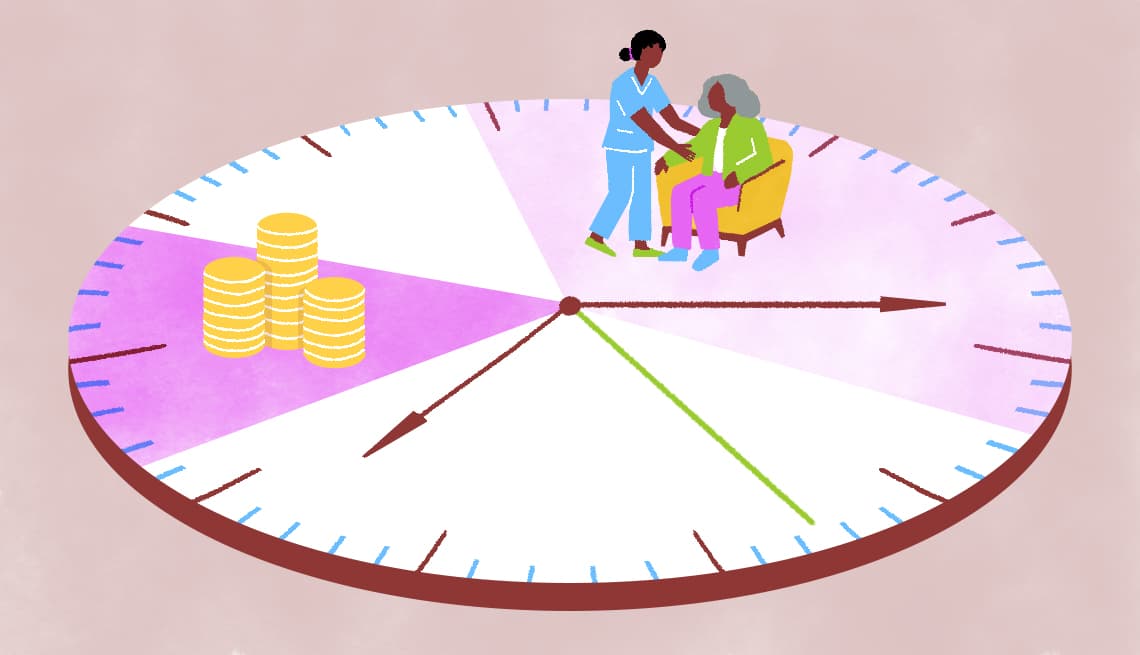
Biologically, women experience unique hormonal cycles and life stages (like pregnancy and menopause) that directly impact energy levels. Socially, women often juggle multiple roles—career, caregiving, household management—which can lead to what's sometimes called "role overload," a significant contributor to chronic stress and exhaustion. Furthermore, certain autoimmune and thyroid conditions, which are more prevalent in women, list fatigue as a primary symptom. Research is ongoing to unravel these complex connections.
How Hormonal Changes Can Affect Energy Levels
Your hormones are like your body's internal communication system, and when their messages get out of rhythm, your energy can take a major hit.
- Estrogen and Progesterone: Throughout the menstrual cycle, the rise and fall of these hormones influence everything from body temperature to brain chemistry. Estrogen is generally linked to feelings of vitality and well-being, while progesterone has a calming, sometimes sedative effect. An imbalance can leave you feeling drained.
- Thyroid Hormones: Produced by the thyroid gland, these hormones (T3 and T4) are your body's master metabolic regulators. If your thyroid is underactive (hypothyroidism), your entire metabolic rate slows down, leading to profound fatigue, among other symptoms. Thyroid disorders are significantly more common in women. You can learn more about the symptoms and diagnosis from the American Thyroid Association.
The Role of Sleep Quality in Ongoing Fatigue
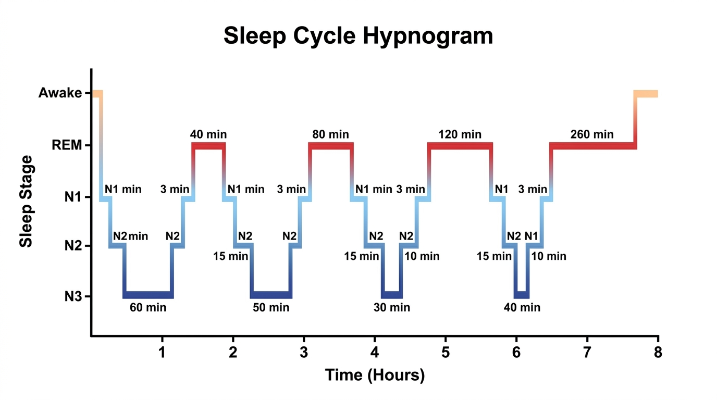
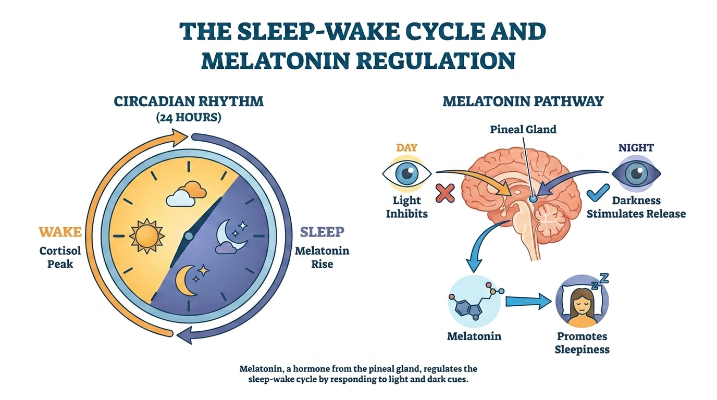
It seems obvious, but the link between poor sleep and fatigue is profound—and it's about quality as much as quantity. You might be in bed for 8 hours, but if your sleep is fragmented or you never reach deep, restorative sleep stages, you'll wake up exhausted.
Common sleep disruptors for women include:
- Insomnia: Often linked to stress, anxiety, or hormonal changes.
- Sleep Apnea: While often associated with men, women can have it too, especially after menopause. It involves repeated breathing interruptions during sleep.
- Restless Legs Syndrome (RLS): An uncontrollable urge to move the legs, typically in the evenings, which can delay sleep onset.
Addressing sleep hygiene—like maintaining a cool, dark room and a consistent bedtime—is a crucial first step. For persistent issues, a sleep study might be recommended.
Stress and Its Physical Impact on the Body
Stress isn't just in your head; it has direct physical consequences that fuel fatigue. When you're under chronic stress, your body pumps out cortisol, the "stress hormone." In the short term, this gives you a boost. But when cortisol levels stay high for too long, it can lead to adrenal fatigue (a term used in functional medicine, though not universally accepted in conventional medicine) or, more broadly, a state of burnout where your body's systems are overworked.
Chronic stress disrupts sleep, weakens the immune system, and can contribute to anxiety and depression—all of which circle back to drain your energy reserves. It's a vicious cycle: stress causes fatigue, and fatigue makes it harder to cope with stress.
When Fatigue Is Linked to Menstrual Cycles

For some women, fatigue follows a predictable monthly pattern tied to their period. This is often a key feature of Premenstrual Syndrome (PMS) or the more severe Premenstrual Dysphoric Disorder (PMDD). In the week or two before menstruation, as progesterone levels rise and then fall sharply, you may experience crushing fatigue, along with mood changes, bloating, and aches.
If your fatigue is cyclical, tracking your symptoms alongside your period for 2-3 cycles can provide invaluable information for your healthcare provider. It helps distinguish hormonally-driven fatigue from other causes.
Fatigue During Perimenopause and Menopause
The transition to menopause, called perimenopause, can be a particularly exhausting time. Hormone levels, especially estrogen, fluctuate wildly and then decline. This can trigger a host of energy-zapping symptoms:
- Night Sweats and Hot Flashes: These can severely disrupt sleep night after night.
- Mood Changes: Increased anxiety or low mood can affect energy.
- Direct Hormonal Impact: The drop in estrogen may directly influence parts of the brain responsible for regulating energy and sleep-wake cycles.
Managing symptoms during this transition often requires a tailored approach. The North American Menopause Society (NAMS) is a reliable resource for science-based information.
Medical Conditions Commonly Associated With Fatigue
Often, fatigue is a primary warning sign from your body that something is off. Several common conditions where fatigue is a hallmark symptom include:
- Anemia: Iron-deficiency anemia is very common in women of childbearing age due to menstrual blood loss. Without enough iron, your blood can't carry sufficient oxygen to your tissues, leaving you feeling weak and tired. A simple blood test can diagnose this.
- Autoimmune Diseases: Conditions like lupus, rheumatoid arthritis, and multiple sclerosis force the body's immune system to attack its own tissues, a process that is inherently inflammatory and exhausting.
- Thyroid Disorders: As mentioned, both an underactive (hypothyroidism) and an overactive thyroid (hyperthyroidism) can cause severe fatigue.
- Diabetes or Prediabetes: When blood sugar is poorly controlled, your cells can't access glucose (their primary fuel) efficiently, leading to persistent tiredness.
Mental Health and Physical Exhaustion
The mind-body connection is undeniable. Depression and anxiety are not just "feeling sad" or "worried." They are medical conditions that cause real physical symptoms, with fatigue being one of the most common.
- Depression: Often saps motivation and energy, making even small tasks feel monumental. The sleep schedule is frequently disturbed (sleeping too much or too little).
- Anxiety: Keeps the body in a constant state of "high alert," which is mentally and physically draining over time. Anxiety can also cause muscle tension and sleep problems.
Treating the underlying mental health condition is often the key to relieving this type of fatigue.
How Lifestyle Factors May Contribute to Low Energy

While medical conditions are critical to rule out, daily habits play a massive role in our energy balance.
- Nutrition: Diets high in processed foods and sugars can lead to blood sugar spikes and crashes, followed by energy slumps. Not getting enough key nutrients like B vitamins, vitamin D, and magnesium can also contribute. The Academy of Nutrition and Dietetics offers guidance on balanced eating.
- Hydration: Even mild dehydration can reduce concentration and increase feelings of tiredness.
- Physical Activity: It seems counterintuitive, but regular, moderate exercise is one of the most effective fatigue-fighters. It improves cardiovascular health, sleep quality, and the release of endorphins. A sedentary lifestyle, on the other hand, promotes fatigue.
- Caffeine and Alcohol: Relying on caffeine can disrupt sleep cycles, and while alcohol might make you sleepy initially, it severely disrupts sleep architecture later in the night.
When Fatigue Should Be Evaluated by a Healthcare Provider
It's time to make an appointment if your fatigue:
- Has lasted for more than two weeks, despite trying to get better rest.
- Is severe or comes on suddenly.
- Is accompanied by other symptoms like unexplained weight loss/gain, fever, significant mood changes, or severe pain.
- Interferes with your ability to work, care for your family, or engage in social activities.
- Is associated with feelings of hopelessness or thoughts of harming yourself.
Tests Doctors May Use to Rule Out Underlying Causes
To get to the root of fatigue, your HCP will likely start with a thorough conversation about your health history and symptoms. They may then order tests, which could include:
- Complete Blood Count (CBC): Checks for anemia and infection.
- Thyroid Panel (TSH, Free T4): Assesses thyroid function.
- Metabolic Panel: Checks blood sugar (for diabetes), electrolyte balance, and kidney/liver function.
- Vitamin D and B12 Levels: Deficiencies in these are common and can cause fatigue.
- Inflammatory Markers: Such as ESR or CRP, which can indicate autoimmune or other inflammatory conditions.
Why Fatigue Is Sometimes Dismissed or Overlooked
Many women have the experience of mentioning fatigue to a doctor only to be told it's "just stress" or "part of being a busy woman." This dismissal happens for a few reasons: fatigue is subjective (it can't be measured by a machine), it has a vast number of potential causes, and historically, women's health complaints have not always been taken as seriously. It's crucial to advocate for yourself. Come to your appointment prepared with details (see below) and be persistent if your concerns aren't initially addressed.
What Current Research Is Focusing on Now
Research is moving beyond simply listing fatigue as a symptom. Scientists are now investigating:
- The Role of Cellular Energy Production: Looking at mitochondria (the cell's power plants) in conditions like ME/CFS and Long COVID.
- The Brain-Immune Connection: Exploring how inflammation in the body can signal the brain to induce "sickness behavior," which includes fatigue.
- Personalized Medicine Approaches: Understanding how genetic differences might make some women more susceptible to hormonally-triggered or stress-induced fatigue.
How to Track Symptoms Before a Medical Visit
Being prepared is your best tool for a productive doctor's visit. For at least two weeks before your appointment, keep a log. Note:
- Your energy levels at different times of day (rate them 1-10).
- Sleep patterns: When you went to bed, woke up, and any nighttime awakenings.
- Diet and exercise.
- Stress levels.
- Any other symptoms(pain, headaches, digestive issues).
- Your menstrual cycle(if applicable).
This concrete data is far more powerful than saying, "I'm tired all the time." It shows patterns and helps your HCP narrow down the possibilities.
Fatigue is Your Body Asking for Help
Fatigue is more than an inconvenience; it's a vital signal from your body. While the path to finding the cause can feel frustrating, the shift in how medicine views fatigue in women is a positive one.
Researchers and forward-thinking clinicians are increasingly treating it as a central symptom worthy of serious investigation, not an afterthought. By understanding the potential contributors—from your hormones and sleep to underlying conditions and daily habits—you become an informed partner in your own health.
Start by tuning into your body's patterns, and don't hesitate to bring your concerns to a healthcare provider who will listen. With careful tracking and a thorough evaluation, you can move from simply feeling tired to finding a path toward renewed energy and well-being.
Was this helpful? Share your thoughts