Ultimate Guide to Personal Finance Budget Templates Maximize Your Savings Today
Finance
|
April 6, 2026
Managing your money can quickly become overwhelming when expenses, bills, and savings goals are all competing for your attention. Many people struggle to understand where their money goes each month, which makes it difficult to build savings or stay financially organized.
Managing your money can quickly become overwhelming when expenses, bills, and savings goals are all competing for your attention. Many people struggle to understand where their money goes each month, which makes it difficult to build savings or stay financially organized.
This is where a personal finance budget template can make a real difference. A structured budget template helps you track income, monitor expenses, and plan your spending in a clear and simple way. Whether you are living on a tight budget or trying to improve your long-term financial habits, using a budget template can help you take better control of your finances and make more informed decisions.
What Is a Personal Finance Budget Template?
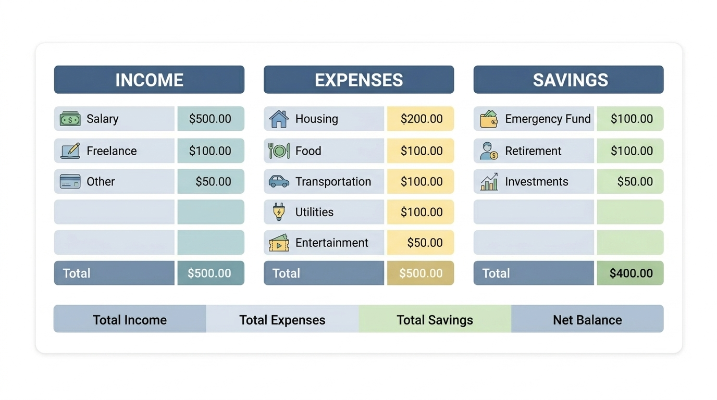
A personal finance budget template is a structured tool that provides individuals with the means to map out and control their financial resources meticulously. This versatile resource outlines various sections for documenting income sources, expenses, savings objectives, and liabilities. The overarching goal of utilizing a budget template is to offer a framework that clarifies and enhances one’s financial awareness.
Utilizing a budget template is foundational for achieving effective personal finance management, as it allows users to scrutinize their spending patterns and detect financial trends. By recording all income and expenditures, individuals can pinpoint areas of potential overspending or identify opportunities for cost reductions. A typical monthly budget template might feature categories such as housing, transportation, groceries, utilities, and entertainment. Organizing expenses in such a way enables users to visualize their spending in every category, facilitating timely adjustments where necessary.
Types of Personal Finance Budget Templates
Spreadsheet-Based Templates
Spreadsheet-based templates are digital resources often utilized within applications such as Excel or Google Sheets. These versatile tools allow users to tailor their budget categories and formulas for effective tracking of income and expenditure.
Pros: Highly customizable and easy to update. Users can track their financial progress in real time.
Cons: Requires some familiarity with spreadsheet software.
Recommendation: Ideal for tech-savvy individuals who prefer a personalized budgeting experience.
App-Based Budget Templates
App-based budgeting templates are integrated into financial applications that seamlessly sync with bank accounts, presenting real-time data on both spending and savings. Popular options include Mint and YNAB (You Need A Budget).
Pros: Offers convenience and automation, complete with alerts and reporting tools.
Cons: May involve subscription fees and necessitate internet connectivity.
Recommendation: Best suited for busy individuals seeking effortless expense tracking without manual labor.
Printable PDF Budget Planners
Printable PDF budget planners provide a tangible approach to financial management. Users can print these planners to fill out manually, which may enhance focus and accountability.
Pros: User-friendly without digital distractions and may aid retention through physical writing.
Cons: Does not feature real-time updates and lacks portability.
Recommendation: Suitable for those who favor traditional budgeting methods and appreciate hands-on organization.
Zero-Based Budget Templates
Zero-based budget templates focus on designing a plan where each dollar earned is assigned a purpose, whether it be expenses, savings, or debt repayment, ensuring that total income minus expenditures equals zero by the month’s end.
Pros: Promotes mindful spending and emphasizes prioritization of savings and debt repayments.
Cons: Can be time-consuming to maintain each month consistently.
Recommendation: Ideal for individuals seeking a structured and disciplined financial approach.
How to Use a Personal Finance Budget Template Effectively
Creating and upholding a personal finance budget can act as a pivotal change in your financial circumstances. Here’s a step-by-step guide on utilizing a budget template effectively:
- Listing Income Sources
Commence by documenting every source of income. Include your salary, freelance earnings, rental income, and any side-line jobs. Use a clear layout in your budget template for easy visibility of total income. For fluctuating income sources, calculate a monthly average to establish a realistic budget. - Categorizing Expenses
Identify and specify all monthly expenditures. Divide them into fixed costs (such as rent or mortgage payments) and variable expenses (like groceries or leisure activities). Other important categories may involve debt repayments, transportation, and savings. This method simplifies spotting unnecessary expenditures, allowing you to arrange your spending priorities effectively. - Setting Savings Goals
After organizing your income and expenses, reserve a portion of your income dedicated to savings. Define specific financial goals, such as contributions to an emergency fund or retirement plans. Clearly outline these objectives in your template for constant visibility and adjust your budget to facilitate continuous progress towards these goals over time. - Tracking and Adjusting Monthly
Input your actual income and expenses periodically into the budget template. Regularly compare these figures against your planned budget to identify any discrepancies. This practice fosters an understanding of your spending habits and allows for necessary adjustments in upcoming budgeting cycles. - Reviewing Spending Habits
At month’s end, dedicate some time to analyzing your spending behavior. Look for patterns that could enable more frugal living. Ask yourself questions like: What category did I spend the most on? Where can I make cuts? This reflective thought process will empower you to retain control over your financial situation and encourage ongoing budgeting discipline.
By systematically engaging with a personal finance budget template, not only will you enhance your financial health, but you will also cultivate a habit of savings and conscious spending that paves the way for future economic security.
Real-Life Use Cases of Budget Templates
Adopting budget templates reflects positively across diverse lifestyles, proving immensely beneficial for effective finance management. For students, often navigating limited means alongside tuition obligations, a budget template becomes essential. With escalating education costs and living expenses, students must juggle tight budgets from part-time job income or parental allowances. A detailed budget enables them to categorize their expenditures and prioritize crucial purchases, streamlining their finances while enabling savings for items like textbooks or unexpected fees.
Families also find budgeting templates indispensable for tracking household expenses amid rising costs. From grocery bills to utility payments, it can be overwhelming to manage all expenses. A well-structured budget template allows families to allocate funds across various categories while illuminating unnecessary spending, like dining out or subscriptions. This organized approach helps prevent debt while securing a financial cushion for emergencies or family vacations.
Freelancers who frequently deal with fluctuating income can face significant financial planning hurdles. Seasonal dips in workload can result in uncertain cash flow, necessitating prompt budgeting adjustments. A versatile budget template grants freelancers the agility to monitor variable income and expenditures, facilitating planning for leaner weeks and ensuring savings are safeguarded without compromising their financial health.
Empower Your Financial Future
In summary, employing a personal finance budget template can significantly improve your financial management skills. These templates offer structure, simplifying the process of tracking expenses, planning for future purchases, and recognizing savings opportunities. However, the true strength lies in maintaining consistency; regularly interacting with your budget can solidify positive financial habits and enhance your confidence in managing money. As you embark on your financial journey, remember that the ideal budget template adapts to your unique lifestyle and goals. Empower yourself by committing to a budgeting routine—through patience and determination, financial stability is within your reach. Make proactive strides today by designing a tailored budget plan, and witness its transformative effects on your financial landscape.
Was this helpful? Share your thoughts